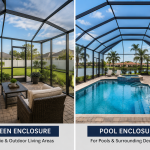
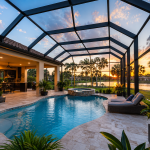
If you live in Florida long enough, you learn that hurricane season brings a different kind of stress. You watch the forecast. You secure patio furniture. You check your windows and roof. Then your eyes drift toward the large aluminum structure covering your backyard pool.
Can a pool cage survive a Florida hurricane? The short answer is yes, many do. But not every enclosure survives the same storm.
A modern, properly engineered pool cage is designed to handle significant wind loads. Older structures, neglected frames, poor installation practices, and previous storm damage can all increase the risk of failure. The condition of the enclosure often matters just as much as the strength of the hurricane itself. Understanding what affects hurricane performance can help you make smarter decisions before the next storm arrives.
Quick Takeaways
|
The Short Answer: Yes, Some Pool Cages Survive Hurricanes—But Not All
Yes, many Florida pool cage structures survive hurricanes every year. You can drive through neighborhoods in Orlando, Brandon, and Cape Coral after a major storm and see some enclosures standing while others have missing screens, bent beams, or complete structural failures.
The biggest misconception among homeowners is assuming a pool cage is hurricane-proof. No outdoor structure is completely immune to extreme weather. Modern enclosures are engineered to withstand specific wind loads, but every hurricane creates different conditions. A pool cage hurricane event involves more than wind speed alone. Flying debris, pressure changes, storm direction, corrosion, and age all influence how well the structure performs.
A Pool Cage Is Designed to Resist Hurricanes, Not Guarantee Survival
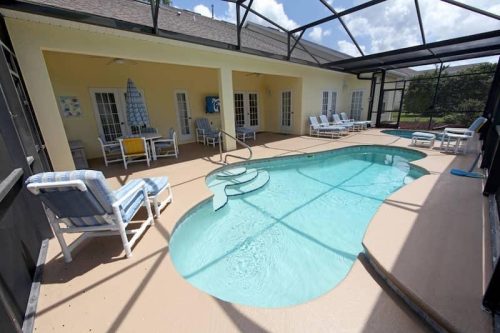
A professionally installed pool screen enclosure is built according to Florida building codes and engineering requirements. That means the aluminum structure is designed to resist expected wind pressures for your region. It does not mean the enclosure will survive every possible storm without damage.
Think about your roof. It is designed to withstand severe weather, but a direct impact from a large tree can still cause major damage. The same principle applies to a pool enclosure.
Why Some Pool Cages Survive While Others Fail
Several factors influence whether a pool cage can withstand a hurricane:
Age of the structure
Quality of materials
Engineering specifications
Installation quality
Corrosion and rust
Previous repairs
Storm intensity
Flying debris impact
A newer enclosure built to current standards typically performs better than a structure installed decades ago.
What Actually Damages a Pool Cage During a Hurricane?
Wind is the biggest threat, but it is rarely the only one. Most pool cage hurricane damage occurs when multiple forces work together. Strong winds create pressure against the enclosure while airborne debris strikes vulnerable areas. A small branch hitting a screen may seem harmless. During a hurricane, that same branch can become a projectile moving at dangerous speeds.
Hurricane Winds Are Only Part of the Problem
The average homeowner focuses on wind speed because it is the number shown on weather reports. In reality, hurricanes create:
Sustained winds
Powerful gusts
Rapid pressure changes
Flying debris
Heavy rainfall
Ground saturation
All of these factors place stress on the enclosure. When wind begins pushing against large screen surfaces, the force transfers into the aluminum frames, screws, beams, and foundation connections.
Screens and Structural Frames Fail Differently
Not all damage is equal. A torn screen often looks dramatic, but it is usually less serious than structural damage.
Many homeowners are surprised to learn that lost screen panels can sometimes reduce pressure inside the enclosure during extreme weather. Replacing screen material is generally much easier than repairing damaged framing. Structural failures involving beams, frames, doors, or support connections are far more concerning because they affect the integrity of the entire cage.
Older Pool Cages Face Greater Risk
Age matters. Many older enclosures throughout Florida were built under different building codes. Since several major hurricanes reshaped construction standards, newer systems are typically engineered to higher standards.
Salt exposure, moisture, and years of weather can gradually weaken screws, connectors, and support members. Even a structure that looks fine from the ground may have hidden corrosion affecting its ability to withstand a major storm.
How Much Wind Can a Florida Pool Cage Withstand?
A modern pool cage wind rating depends on location, engineering requirements, and local code standards. Homes near coastal areas often require stronger designs than properties farther inland. Requirements may differ between Orlando, Brandon, Naples, and Cape Coral because local wind exposure conditions vary. The important thing to understand is that every enclosure is engineered for a target performance level.
Understanding Florida Wind Load Requirements
Florida has some of the strictest construction standards in the country. Engineers calculate expected wind pressure and design the enclosure accordingly. The aluminum structure, attachment points, foundation connections, and support layout all work together to resist storm forces.
Homeowners researching Florida pool enclosure designs and engineering requirements often discover that structural design plays a much larger role than screen selection alone.
Why Wind Ratings Do Not Guarantee Hurricane Survival
Wind ratings provide guidance, not guarantees. Real storms rarely behave exactly like engineering models. Flying debris, shifting wind direction, nearby trees, weakened components, and previous storm damage can all affect performance. A hurricane can easily create conditions beyond what an enclosure was originally designed to handle.
How to Tell if Your Pool Cage Is Vulnerable Before Hurricane Season
Yes, there are warning signs. Many homeowners discover structural problems only after a storm. A simple inspection before hurricane season often reveals issues that deserve attention.
Warning Signs of Structural Weakness
Watch for:
Loose screws
Bent support members
Corrosion or rust
Sagging sections
Torn screens
Damaged doors
Water intrusion around connections
Any of these issues can increase risk during severe weather.
When Age Becomes a Concern
Every enclosure has a service life. If your pool cage is decades old, an inspection becomes even more important. Years of exposure to heat, moisture, storms, and UV rays can weaken components that are not visible from the ground.
Rescreening Won’t Fix Structural Problems
Many homeowners confuse cosmetic issues with structural issues. New screen material can improve appearance and help keep out no-see-ums, bugs, and debris. It cannot strengthen compromised framing. Understanding the difference between pool cage replacement vs rescreening is critical when evaluating hurricane readiness.
Can You Make a Pool Cage More Hurricane Resistant?
Yes, in many cases you can improve performance. Not every enclosure requires full replacement. Some structures benefit from targeted upgrades and repairs.
Upgrading an Older Pool Cage
Depending on the condition, improvements may include:
Replacing damaged components
Reinforcing support areas
Upgrading connectors
Correcting previous repair issues
Addressing corrosion
A properly engineered upgrade can significantly improve safety and performance.
The Role of Professional Inspections
An experienced contractor can identify problems you may not notice. Inspections often uncover hidden corrosion, weakened fasteners, loose connections, and structural concerns that become serious liabilities during a storm.
Why Proper Permitting Matters
Major structural work should comply with current Florida requirements. Following proper pool cage permit requirements in Florida helps ensure upgrades meet modern standards and local code requirements. Skipping permits may create complications later during insurance claims or property sales.
What Happens if a Hurricane Damages Your Pool Cage?
The next step depends on the severity of the damage. Some situations require simple screen repair. Others involve extensive structural reconstruction.
Repair vs Replacement After Storm Damage
Minor damage often includes:
Torn screen
Missing panels
Small connection repairs
More significant hurricane damage to pool cage situations may involve:
Bent beams
Twisted frames
Structural movement
Foundation connection issues
When the primary structure is compromised, pool cage replacement may become the safer long-term solution.
Does Homeowners Insurance Cover Pool Cage Damage?
Sometimes. Coverage varies based on your policy, deductible, storm circumstances, and carrier requirements. Reviewing pool cage insurance coverage in Florida before hurricane season can help you understand what protection may already exist. Waiting until after a storm often creates unnecessary confusion and stress.
Is Replacing an Older Pool Cage Worth the Investment?
In many situations, yes. A heavily repaired enclosure can become an ongoing maintenance expense. Constant patchwork repairs rarely solve underlying structural concerns.
The Long-Term Cost of Waiting
Delaying replacement may lead to:
More frequent repairs
Increased storm vulnerability
Higher maintenance costs
Insurance complications
Reduced property appeal
The goal is not simply to save money today. The goal is to reduce future risk.
Comparing Repair Costs to Full Replacement
There comes a point where investing in a new enclosure provides better value than continuing to repair an aging structure. Reviewing the average pool cage cost in Florida often helps homeowners compare long-term ownership costs against repeated repair expenses.
Can a Pool Cage Survive a Florida Hurricane?
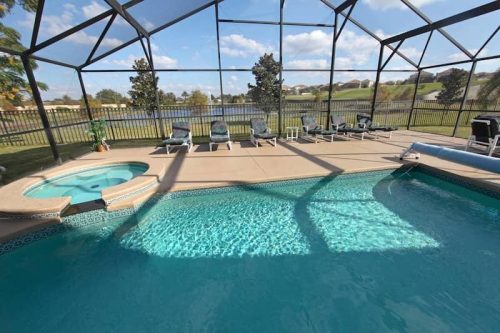
Yes, many pool cages survive Florida hurricanes every year. The difference usually comes down to engineering, installation quality, maintenance, age, and storm intensity. A well-maintained enclosure built to current standards has a much better chance of standing strong when bad weather arrives.
If you are unsure about the condition of your enclosure, a professional evaluation is often the smartest place to start.
At Creative Pool Cages, inspections, repairs, upgrades, and complete enclosure replacements are designed to help Florida homeowners protect their backyard investment, improve safety, and approach hurricane season with greater peace of mind.
If your current structure is aging or showing signs of wear, explore pool enclosures in Florida to compare modern designs, engineering standards, and replacement options.
Frequently Asked Questions
Most Florida pool cages should be professionally inspected every few years and after major storms. Regular inspections can identify loose fasteners, corrosion, and structural wear before they become bigger problems.
Yes. Bent framing, loose components, and damaged screens can create safety risks around the pool area. A post-storm inspection can determine whether repairs are needed before continued use.
No. A pool cage helps block everyday debris and pests, but it is not designed to secure furniture during a hurricane. Patio furniture, grills, and loose items should still be brought inside or properly secured before a storm.
A well-maintained pool cage can last decades, but its lifespan varies based on location, weather exposure, maintenance, and construction quality. Coastal properties often experience faster wear due to salt exposure.
It depends on the extent of damage. Minor screen or component repairs are often cost-effective, while significant structural damage may make replacement the safer long-term solution.