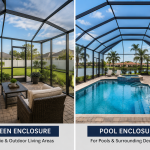
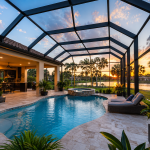
Our local winters are strange in the best way. You can easily wake up to crisp cold air in the low 50s, wear a hoodie while drinking coffee on the lanai, and end up sweating by lunch once the afternoon sun takes over. While out-of-state transplants might smile at what locals call a “cold snap,” anyone living in Sarasota, Fort Myers, or Naples knows that a stiff January coastal wind turns an unprotected outdoor space almost unusable.
When those cooler mornings arrive, a lot of homeowners simply stop using their patio. The outdoor space sits empty for months, even though the winter season weather is actually the most beautiful time of year to be outside. Usually, the problem isn’t the winter climate itself. It’s a compromised patio enclosure for winter.
A properly optimized patio enclosure for winter can restore your outdoor lifestyle, making your backyard space comfortable almost every day of the season. You don’t need an expensive, heavy glass sunroom conversion or other permanent structures to enjoy your morning coffee. Often, upgrading to a tighter premium mesh, addressing hidden structural wear, or adding targeted protection shifts how the porch feels.
Key Takeaways: Florida Patio Enclosures in Winter
|
Why a Patio Enclosure for Winter Works Better Than Glass
When searching for the right patio enclosure for winter, many homeowners assume that glass windows or solid walls are the only way to stay warm. In northern states where properties face heavy snow, ice, and freezing temperatures, sealing a room with heavy insulation is necessary. But down here, full glass patio enclosures can become incredibly uncomfortable. On a sunny 78°F January afternoon, glass traps radiant heat like a greenhouse, turning your enclosed patio into a stuffy, heavy room.
Mesh patio enclosures work differently and are uniquely suited for our local weather. They slow down, chilling cool air currents instead of trapping heat loss or sealing off the breeze entirely.
Think about it this way: if you sit outside on a calm, 62°F morning, the air feels pleasant. But add a steady coastal breeze, and that exact same temperature feels freezing. Wind changes everything.
Tighter, high-density porch screens act as a natural barrier to block wind, diffusing harsh gusts into a gentle breeze while maintaining fresh airflow. However, if your current mesh is stretched, loose, or pulling away from the aluminum frame, those cold winter drafts cut straight through your patio furniture.
Beyond temperature control, keeping your enclosure tight during the dry months solves a few other major regional headaches:
Debris Protection: In neighborhoods thick with live oaks, winter brings constant leaf drops, pollen, and pine needles. Intact panels protect your furniture and keep the deck pristine.
Persistent Pests: Insects don’t disappear just because the temperature drops. Mosquitoes actively swarm during warm winter stretches, making a screened porch a year-round necessity.
While the state is famous for its endless summer, historical data curated by the Florida Climate Center reminds us that severe cold outbreaks, frost events, and plunging coastal winds hit the region much more regularly than people expect. Ensuring your screen enclosure is structurally optimized is the easiest way to handle these temperature swings.
Signs Your Enclosure Is Making Your Winter Less Comfortable
Most homeowners notice the irritating symptoms of a failing screen long before they spot the actual physical damage to the structure. If your screened-in patio suddenly feels damp after a quick rain, leaves are pooling on the deck every morning, or the area just feels too drafty to enjoy, you need to diagnose whether your patio enclosure for winter is working against you:
Cold drafts blowing directly onto seating areas: This points to loose mesh sections or torn vinyl spline along the frame. The solution is a targeted rescreening with taut, fresh mesh to block the worst of the wind.
Leaves and pine needles covering the floor daily: This indicates damaged overhead roof panels or small seam tears. The solution is selective panel replacement to seal out falling winter debris.
Patio feels completely exposed to neighbors: Standard mesh leaves the patio visible. Upgrading to a privacy weave or clear vinyl panels fixes this instantly.
Sagging, brittle, or silver-faded mesh panels: This is the result of severe UV damage from years of intense sunshine. A full-screen replacement is required to restore structural integrity.
One small screen tear might seem minor during a calm July afternoon, but brisk winter winds find and exploit those weak spots instantly, forcing cold air directly into your outdoor living zone. If you aren’t sure where the drafts are originating, complete this quick 3-step structural diagnostic walk:
Step 1 (The Perimeter Check): Walk the interior perimeter of your enclosure and gently push against the edge of the mesh where it meets the aluminum frame. If the vinyl spline is cracking or popping out, winter winds will easily pull the panel free.
Step 2 (The Aerial View): Look up at the roof panels of your pool cage during a bright afternoon. Check the structural seams for pinholes or thinning mesh caused by intense UV exposure, which frequently splits open during high-velocity winter gusts.
Step 3 (The Draft Diagnosis): Sit in your primary outdoor seating area on a breezy evening. If you feel a sharp draft cut across your ankles, your lower horizontal panels are either loose or require a denser weave upgrade like Florida Glass to deflect low-riding wind currents.
Simple Ways to Make Your Patio Feel Warmer This Winter
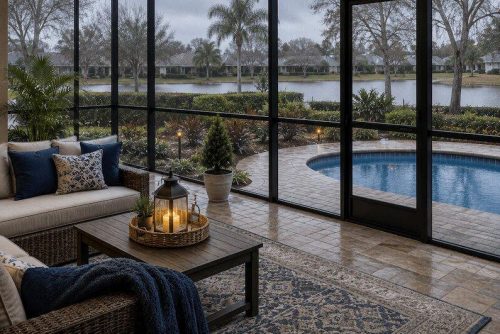
You don’t need a massive, disruptive renovation or a complex diy setup to create a cozy outdoor sanctuary. A smart combination of quick design updates and professional screen optimizations makes a world of difference when configuring a patio enclosure for winter.
1. Add Layers to Block Subsurface Cold
Concrete patio slabs and pavers hold onto the overnight cold long into the morning. Laying down high-quality outdoor rugs softens the floor and instantly blocks that radiating cold from underneath your feet. Complement this by swapping out thin cushions for thick, weather-resistant fabrics that absorb and retain ambient warm air better than bare metal or plastic frames. Adding warm string lights can also visually change the space, making a screened-in porch feel inviting instead of empty during dark winter evenings.
2. Defeat the Wind with Premium Screen Upgrades
If your perimeter screens are older or standard grade, upgrading specific sections can drastically alter the microclimate of your patio.
Heavy Duty Weaves: Upgrading to a heavy-duty mesh creates a tighter barrier against the elements while maintaining clean ventilation.
Florida Glass Panels: This specialized vinyl-laminated screen is windproof and waterproof. Installing it along the bottom horizontal sections where the enclosure meets the house wall stops low-riding drafts right where you sit.
Clear Vinyl Panels: For temporary seasonal protection, some homeowners utilize removable clear vinyl window tracking. Unlike rigid glass doors or permanent additions, clear vinyl panels offer flexibility because you can easily store them away once the summer heat returns.
To get a complete breakdown of how different modern screen types hold up against local elements, read this comprehensive guide on choosing the best pool enclosure for Florida weather.
3. Create Strategic Heating Zones
Trying to heat an entirely open outdoor space is a waste of energy efficiency. Instead, focus on heating the exact spot where you sit. A compact propane patio heater becomes infinitely more effective once your perimeter screens are tight and free of drafty tears. Some homeowners also find that hanging outdoor thermal curtains near seating corners helps contain the warmth without fully enclosing the house away from nature.
Why Winter Is the Smartest Time for Screen Repairs
Most homeowners make the mistake of waiting until April or May to look closely at their pool cages. By then, the spring humidity and intense bug populations have returned, causing local contractor schedules across Sarasota and Naples to fill up instantly.
Taking care of your enclosure during the dry months offers distinct strategic advantages:
Fewer Rain Interruptions: Dry winter weather usually helps projects move faster with fewer rain delays compared to wet summers. Heavy afternoon thunderstorms constantly interrupt screen installations and repairs, but the winter climate is much more predictable.
Scheduling Flexibility: Beating the chaotic spring rush means you get faster turnaround times and can choose installation dates that fit your schedule perfectly. It is truly the smartest timeframe for year-round use planning.
Storm Season Prep: Strong winter gusts expose structural weaknesses like loose anchors, aging fasteners, or brittle aluminum frame connections. Taking this into account now ensures your enclosure is structurally sound before the next major storm season arrives.
If you are trying to figure out whether your patio just needs a few quick panel fixes or a complete overhaul, this step-by-step breakdown on pool cage replacement vs rescreening in Florida outlines exactly what makes the most financial sense based on the age and condition of your frame.
When you book your repair or optimization during the off-season, the project timeline follows a highly predictable sequence:
Day 1 (On-Site Inspection & Material Selection): A local technician evaluates your aluminum frame stability, measures panels, and helps you select the ideal mesh thickness (such as standard, heavy-duty, or privacy configurations) tailored to your patio’s wind exposure.
Day 2 – 3 (Site Preparation & Spline Removal): The installation crew arrives to carefully extract aging vinyl spline, remove worn or brittle mesh panels, and inspect all structural fasteners and aluminum anchor connections for hidden wear.
Day 4 – 5 (Flawless Screen Installation): New, premium heavy-duty mesh is rolled, stretched tightly across the aluminum channels, and secured with fresh, weather-resistant vinyl spline to ensure clean, bounce-back tension that eliminates wind sagging.
Restore Your Outdoor Lifestyle This Season
Don’t let your beautiful outdoor living space sit empty for a quarter of the year. With a few targeted updates, you can gain more space to relax, ensuring your patio remains the most comfortable spot in your home all winter long.
At Creative Pool Cages, the team helps homeowners throughout Sarasota, Naples, Fort Myers, and the nearby coastal communities optimize their outdoor spaces for year-round durability and comfort. Whether you need a few critical panel replacements, a full premium rescreening, or high-performance privacy upgrades, the professional installation team delivers the flawless, tight fit required to handle the changing seasonal weather.
They look forward to helping you upgrade your patio enclosure for winter setups to match your lifestyle and your budget.