Most homeowners do not pay much attention to their pool cage until something changes. Maybe a screen panel rips after a summer storm. Maybe the door starts sticking. Maybe you notice a rust stain running down one of the aluminum beams that definitely was not there last year.
At first, these feel like small maintenance issues. Replace a screen. Tighten a screw. Move on. Sometimes that is all it is. Other times, those small signs are the first indication that the enclosure is beginning to weaken.
Across Orlando, Bradenton, Cape Coral, and communities throughout Florida, we frequently inspect pool cages that look perfectly fine from the patio. Then a closer inspection reveals loose fasteners, hidden corrosion, storm-related movement, or structural wear that has been developing for years.
Most enclosures do not suddenly fail overnight. The process is usually gradual:
The Florida sun weakens materials.
Humidity creates long-term wear.
Storm seasons put stress on the frame year after year.
Before long, a cage that formerly felt solid no longer has the same strength it had when it was first built. Understanding why pool cages fail can help you catch problems early, avoid larger repair bills, and get more life out of your investment.
Quick Takeaways
|
The Most Common Ways Pool Cages Fail in Florida
The biggest reason why pool cages fail is not usually one major event. It is often a collection of smaller problems that build on each other over time. A homeowner may notice a torn screen. A few months later, the door no longer closes correctly. Then another screen tears in a different section. Each issue may seem unrelated. In many cases, they are connected.
1. Screen Panels Keep Tearing in the Same Areas
A torn screen by itself is usually not a major concern. Florida screens take a beating. Wind, falling debris, tree branches, pets, and normal aging all contribute to occasional damage.
What deserves attention is repeated damage. If the same section keeps tearing or screens start failing in multiple areas within a short period of time, there may be movement somewhere in the enclosure. We’ve seen situations where homeowners replaced the same screen panel several times before discovering the frame had slowly shifted after years of storm exposure. The screen was never the actual problem. It was simply showing at which stress had developed within the structure.
2. Rust and Corrosion Start Appearing
Most homeowners expect screen repairs at some point. Corrosion tends to catch people off guard. It often starts small:
A rust streak beneath a fastener.
Slight discoloration around a connection point.
Small areas where the finish no longer looks uniform.
The concern is not always what you can see. Some of the most expensive repairs begin with corrosion developing around hardware and attachment points hidden behind the screens. This becomes even more common in coastal communities where salt air constantly settles on the enclosure. Homeowners in Naples and Cape Coral often deal with corrosion much sooner than properties farther inland around Orlando.
3. Roof Sections No Longer Look Straight
Sometimes the first sign is simply that something looks off. You walk into the pool area one afternoon and notice that the roof section appears lower than the rest. A line that once looked straight now seems uneven. A corner appears to sit differently than it did before.
Most homeowners notice these visual changes long before they understand what is causing them. Sagging sections can indicate structural movement, weakened components, or previous storm damage that has gradually become more noticeable over time.
4. Doors Stop Operating Properly
Pool cage doors usually provide subtle warnings before larger issues appear. If a door suddenly rubs, sticks, drags, or refuses to latch correctly, it may indicate movement elsewhere within the enclosure.
The problem is not always the door itself. A slight shift in the structure can change alignment enough to create operational issues. It is one of the simplest warning signs homeowners can identify without climbing a ladder or performing a formal inspection.
5. Previous Storm Damage Continues to Affect the Structure
One of the most overlooked reasons why pool cages fail involves damage from storms that happened years ago. Not every hurricane leaves obvious destruction behind. Many cages survive hurricanes and strong storms while sustaining small amounts of structural stress that go unnoticed.
Then another storm arrives. Then another. Over time, those events can gradually weaken the enclosure. We often hear homeowners say the cage survived multiple hurricanes, so everything must be fine. Sometimes a closer inspection tells a different story. A structure can remain standing while still losing strength. That is particularly important throughout Florida, where seasonal storms and hurricanes are simply part of life.
Why Florida Creates Unique Stress on Pool Cages
Florida is one of the toughest environments in the country for outdoor structures. You are not dealing with just one challenge. Whether you own a traditional pool cage or one of the many modern pool enclosures in Florida, your enclosure faces sun, humidity, storms, wind, and moisture nearly year-round. Even a well-built cage is constantly exposed to conditions that slowly wear materials down. That helps explain why pool cages fail even when homeowners stay on top of basic maintenance.
The Florida Sun Never Really Lets Up: Most people think about the heat. The bigger issue is years of ultraviolet exposure. Day after day, the sun breaks down screen material. Rubber components become brittle. Protective finishes begin aging. Even top-quality materials eventually show signs of wear. You can often spot the difference when comparing sections that receive full afternoon sun to areas that stay shaded. The shaded side may still look relatively new, while the exposed side shows fading, brittleness, and screen deterioration. The effect happens slowly enough that many homeowners never notice it until a repair becomes necessary.
Humidity Creates Wear You Cannot Always See: Living in Florida means living with moisture. Even during weeks without heavy rain, humidity remains high. Metal components stay damp longer. Fasteners remain exposed to moisture for extended periods. Over time, that environment accelerates deterioration. We’ve inspected cages around Orlando where the screens still looked decent, but hidden hardware had already begun weakening due to years of moisture exposure. The challenge with humidity is that the damage often develops where homeowners rarely look.
Coastal Properties Face Additional Challenges: If you live near the Gulf Coast, your enclosure faces another obstacle: salt. You may not see it collecting, but it is there every day. Homes in Cape Coral, Naples, and other coastal communities regularly experience corrosion faster than comparable homes farther inland. Salt particles settle on beams, screens, doors, and connection points. Over the years, they began attacking the very elements responsible for preserving the structure’s security. This is one reason neighboring cages can age differently despite being built around the same time. One property may simply receive more exposure due to location, wind direction, landscaping, or proximity to water.
Storm Seasons Add Stress Every Year: Every storm season places additional demands on your enclosure. Strong winds generate movement. Flying debris impacts screens. Heavy rain introduces more moisture. Even when no visible damage occurs, the structure absorbs stress. Many homeowners searching for why pool cages fail in Florida and how to prevent them assume that damage only happens during major hurricanes. In reality, repeated exposure to smaller storms often contributes just as much to long-term deterioration. A cage does not need to collapse to be affected. Sometimes the only signs are subtle changes that become noticeable years later.
For a deeper look at how Florida weather affects enclosure performance, see our article on The Best Pool Enclosure for Florida Weather.
Construction and Installation Mistakes That Cause Early Failure
Not every enclosure ages the same way. You have probably driven through neighborhoods where one pool cage still looks excellent while another nearby already needs significant repairs. Age alone rarely explains the difference. How the enclosure was designed and installed often plays a major role.
The Structure Was Never Properly Engineered: A pool cage should be designed for the conditions it will face. What works in one part of Florida may not be ideal somewhere else. Wind exposure, location, lot layout, and local requirements all influence how an enclosure should be built. When corners get cut during design or engineering, the effects may not show up immediately. Years later, those weaknesses often become much more apparent.
Anchoring Problems Create Bigger Issues Later: Everything starts at the ground. The enclosure depends on secure anchoring to remain stable during storms and daily wind exposure. Improper anchoring may not create noticeable issues right away. The cage can appear perfectly normal for years. Then the movement begins. A door sticks. A screen tears repeatedly. A section no longer appears level. Many of those symptoms trace back to the enclosure’s connection with the slab below.
Hardware Quality Matters More Than Most Homeowners Realize: Homeowners often focus on the large aluminum beams because they are easy to see. Smaller hardware components frequently determine how well an enclosure performs over the long term. Fasteners, brackets, anchors, and connection points help distribute forces throughout the structure. When lower-quality hardware deteriorates prematurely, other components begin absorbing stress they were never intended to handle.
Drainage Problems Accelerate Deterioration: Water should move away from the enclosure. Unfortunately, some properties allow water to collect around attachment points or structural connections. Over the years, standing moisture increases corrosion risk and shortens the lifespan of critical components. It is not the most obvious cause of failure, but it is one we encounter regularly during inspections.
How to Evaluate Whether Your Pool Cage Is Failing
You do not need to be a contractor to recognize early warning signs. Many homeowners spot problems long before major repairs become necessary. The key is knowing what deserves attention and what is simply normal aging.
Separate Cosmetic Issues From Structural Issues
Not every issue indicates a serious problem. Faded paint, minor discoloration, and isolated screen tears are usually cosmetic concerns. Structural concerns are different. Pay closer attention to:
Sagging sections
Bent beams
Loose connections
Multiple screen failures
Doors that no longer align properly
Visible corrosion around hardware
Those symptoms often indicate something more significant is happening.
Pay Attention to Corrosion
A small rust stain can reveal a much larger issue developing behind the scenes. Look closely around:
Door hinges
Fasteners
Roof connections
Anchors
Beam intersections
Corrosion rarely improves on its own. The earlier it is addressed, the easier and more affordable repairs typically become.
Repeated Screen Damage Is Usually Telling You Something
One screen repair every so often is normal. Repeated failures deserve investigation. Many homeowners assume they simply need stronger screens. Sometimes the screens are doing exactly what they should do—they are revealing movement occurring elsewhere within the enclosure. This remains one of the most common indicators of why pool cages fail over time.
Consider the Age of the Enclosure
Age is not everything, but it matters. An older, well-maintained enclosure may still perform exceptionally well. A newer neglected enclosure may already be developing problems. Instead of focusing only on age, evaluate the condition. Ask yourself:
Have repairs become more frequent?
Are multiple issues appearing at once?
Has the enclosure experienced hurricane exposure?
Is corrosion becoming more visible?
Those answers often reveal more than the structure’s age alone.
Can a Failing Pool Cage Be Repaired?
Yes, many failing pool cages can be repaired. The challenge is determining whether a repair actually solves the underlying problem or simply delays a larger expense. This is where many homeowners spend money unnecessarily. A torn screen gets replaced. A rusted fastener gets swapped out. A damaged door gets adjusted. A few months later, another issue appears.
The goal is not just fixing what you can see. The goal is to understand what caused the problem in the first place.
When Rescreening Is Usually Enough
Rescreening makes sense when the enclosure itself remains structurally sound. In many cases, the aluminum frame still has years of life remaining. The screens simply reached the end of their. Signs rescreening may be enough to include:
Limited screen damage
No visible structural movement
Minimal corrosion
Straight roof lines
Properly functioning doors
No storm-related structural concerns
For many Florida homeowners, screen replacement is simply part of normal ownership. The key is making sure the frame underneath remains healthy.
When Structural Repairs Make Sense
Some problems affect only certain parts of the enclosure. A damaged beam, corroded hardware, or a section impacted by falling debris during a storm often justifies targeted repairs rather than full replacement. We’ve seen homeowners assume they needed an entirely new cage when only one area required attention. A proper inspection helps separate localized issues from larger structural concerns.
When Replacement Becomes the Better Investment
Sometimes repairs stop making financial sense. This typically happens when multiple problems appear at the same time. For example:
Widespread corrosion
Repeated screen failures
Multiple damaged beams
Significant storm damage
Structural movement throughout the enclosure
At that point, repairing individual components can become more expensive over the long run than replacing the structure. One of the most common situations we encounter is a homeowner repairing the same aging enclosure year after year. The individual repairs never seem expensive. Over five years, however, those costs often exceed what a replacement would have required.
If you are torn between repair and replacement, our guide on Pool Cage Replacement vs Rescreening in Florida breaks down the pros and cons of each option.
How to Prevent Pool Cage Failure and Extend Its Lifespan
The best way to deal with pool cage failure is to prevent it from happening in the first place. No enclosure lasts forever. The good news is that many common problems can be identified long before they become major repairs. Understanding why pool cages fail helps you focus on the areas that deserve the most attention.
Schedule Periodic Inspections: Most homeowners inspect their roof after a storm. Very few inspect their enclosure. A quick annual inspection can uncover loose hardware, corrosion, screen tension issues, drainage concerns, and minor storm damage. Catching these problems early often prevents larger structural repairs later.
Address Small Problems Quickly: Small issues rarely stay small forever. A loose fastener today can become structural movement tomorrow. A minor corrosion spot can spread. A damaged screen can allow additional stress on surrounding panels. The sooner repairs happen, the easier they are to manage.
Replace Damaged Screens Promptly: Many homeowners postpone screen repairs because the damage seems minor. One small tear becomes larger after the next storm. Soon, debris, insects, mosquitoes, and other pests find their way into the pool area. Prompt screen replacement helps maintain both comfort and protection. It also prevents surrounding screens from carrying additional stress.
Keep Hardware and Connection Points Clean: Hardware often determines how long an enclosure lasts. Pay attention to hinges, door assemblies, fasteners, anchors, and structural connection points. Removing debris and monitoring for corrosion can significantly improve long-term performance.
Prepare Before Hurricane Season: Storm preparation remains one of the most important ways to protect your investment. Before hurricane season arrives, inspect screens, check doors, remove nearby debris, trim overhanging branches, and schedule inspections if concerns exist. Preparation will not eliminate every risk, but it can reduce the likelihood of avoidable damage. Many homeowners only think about their screen enclosure after a storm warning appears. By then, options are often limited.
Upgrade Aging Structures When Necessary: Some older screen pool enclosures simply were not built to today’s standards. Building codes, engineering requirements, and wind-load expectations have evolved throughout Florida. In certain situations, upgrades improve both safety and long-term durability.
If you are considering major improvements, it may also be helpful to review our guides on Pool Cage Cost in Florida and Permit Requirements for a Pool Cage in Florida.
Is an Older Pool Cage Still Safe?
Yes, an older pool cage can absolutely remain safe. Age alone does not determine condition. We regularly inspect older enclosures that remain in excellent shape because homeowners stayed proactive with maintenance and repairs. At the same time, we occasionally see newer structures already showing signs of deterioration because maintenance was neglected.
Instead of focusing only on age, focus on condition. Ask yourself:
Is corrosion becoming more widespread?
Have repairs become more frequent?
Are doors functioning properly?
Has the enclosure experienced multiple hurricanes?
Do roof sections still appear straight?
Those answers provide a much better picture of structural health. The safest approach is not guessing. A professional inspection can identify developing issues before they become larger concerns.
When to Schedule a Professional Pool Cage Evaluation
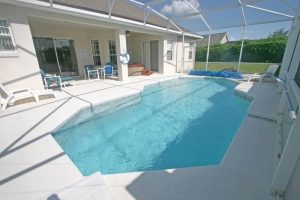
You do not need visible failure to justify an inspection. In fact, the best evaluations often happen before major damage appears. Consider scheduling an evaluation if:
A recent storm impacted your property.
Corrosion is becoming visible.
Screens keep tearing
Doors no longer align properly.
The enclosure is showing signs of movement.
You are considering major repairs.
You are preparing to sell your home.
Many homeowners wait until damage becomes obvious. By then, repair options may be more limited. A professional evaluation gives you clarity. You learn whether maintenance is enough, whether repairs make sense, or whether replacement should be considered. Most importantly, you gain a clear understanding of why pool cages fail and what steps can help prevent future issues.
Protect Your Pool Cage Before Small Problems Become Expensive Ones
Most enclosure failures begin with warning signs that homeowners can spot early. A torn screen. A sticking door. A rust stain. A section that no longer looks perfectly straight. Those issues do not automatically mean your pool enclosures are failing. They do mean it deserves attention.
At Creative Pool Cages, inspections, repairs, rescreening, upgrades, and complete enclosure replacements are performed with Florida’s climate, storms, and long-term durability in mind.
Whether you live in Orlando, Bradenton, Cape Coral, Naples, or another Florida community, understanding why pool cages fail in Florida and how to prevent them can help you protect your investment, avoid unnecessary expenses, and enjoy your outdoor space with confidence for years to come.