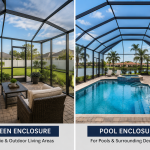
You already have the pool. Maybe it’s been sitting mostly unused half the year because the bugs take over by evening, or Saturday mornings start with an hour of skimming before anyone can swim. Sound familiar?
Most Florida homeowners don’t lack interest in getting more use out of their swimming pool. They just haven’t made the one move that changes everything: choosing to enclose a pool the right way.
A pool enclosure built for year-round use isn’t just aluminum and screen. For many homeowners, deciding to enclose a pool starts after realizing how little they actually use the backyard during parts of the year.
It’s the difference between a backyard you avoid and one you actually live in. Whether you’re in Orlando, Sarasota, or St. Petersburg, the process looks roughly the same. And once you understand it, the decision gets a lot easier.
In this guide, you will learn what enclosure options make the most sense, what installation looks like in 2026, and how to avoid expensive mistakes many Florida homeowners still make.
Quick Takeaways
|
Year-Round Pool Use in Florida Means More Than Just Shade
Most people think enclosing a pool is about blocking direct sunlight or keeping leaves out. And yes, it does both. But year-round use is really about getting your time back.
Think about it. Year-round use isn’t just about temperature. It’s about not spending your Saturday morning skimming leaves and chasing bugs before you’re allowed to enjoy your own backyard. It’s about actually jumping in at 7 pm without mosquitoes ending the night early. It’s about your family using that swimming pool area in January because Florida winters are perfectly swimmable if something is keeping the debris and chill wind out.
Without an enclosure, the pool owns your schedule. Maintenance dictates when you swim, not you. Once you enclose a pool, the backyard usually feels less like another thing to maintain and more like part of the house again.
Florida also doesn’t really have an off-season the way other states do. The warm weather sticks around, but so does everything that comes with it. UV rays hit hard all year. Afternoon storms roll through fast. Pollen, palm debris, and bugs don’t take months off. A properly built pool screen enclosure handles all of it, not just one or two things.
The other piece people miss is safety. A fully enclosed pool area creates a real barrier for children and pets. It’s not foolproof, but it removes the constant worry of someone wandering out unsupervised. For a lot of Florida homeowners, that alone makes it a top priority.
oGet the enclosure right, and the pool becomes a space you use on your terms. Every week, not just when conditions cooperate.
Choosing the Right Pool Enclosure Type for Your Home
Not every pool enclosure serves the same purpose. The type you choose shapes how the space feels, how long it holds up, and how much you actually enjoy it over time. Here’s how the main options break down.
Standard Aluminum Pool Cages
The most common pool screen enclosure across Florida. An aluminum structure with a mesh screen is practical and proven. If your top priority is protection from debris, bugs, and UV rays without spending more than you need to, this gets it done. It’s the go-to for most ground pool setups in Orlando and inland areas where coastal weather is less of a factor.
Panoramic or Clearview Enclosures
These remove the horizontal bars between screen panels. The result is a more open, unobstructed view of the backyard. You still get full protection, but without the visual break-up of a standard cage. Popular in Sarasota and newer builds around Tampa Bay. If the look and feel of your outdoor space matters to you, this is worth the upgrade.
Hurricane-Resistant Enclosures
Built with reinforced framing, stronger anchor points, and engineered specifically for high-wind zones. In coastal areas like Naples and Fort Myers, this isn’t optional. It’s what the Florida Building Code requires. The initial cost is higher, but you’re getting an aluminum structure that’s designed to stand through what Florida actually throws at it.
Retractable Pool Enclosures
A retractable pool enclosure lets you open the pool area completely on perfect days and close it when you need protection. Less common because of the higher cost, but it is growing in higher-end Florida homes. If you want the flexibility of an indoor pool feel on some days and a completely open swimming pool experience on others, it’s worth looking into.
Low Profile Pool Enclosures
A low-profile pool enclosure sits closer to the ground and follows the pool’s shape more tightly. It’s a cleaner look for smaller backyards or properties where a tall cage would feel out of place. Less room overhead, but still delivers the key benefits of debris control and bug protection.
Here’s a quick comparison to help you think it through:
Enclosure Type | Best For | Cost Range | Notable Feature |
Standard Aluminum | Most Florida homes | $8,000-$15,000 | Proven, widely available |
Panoramic / Clearview | Aesthetics + open views | $25,000 – $45,000+ | No horizontal bars |
Hurricane-Resistant | Coastal, high-wind zones | $35,000 – $55,000+ | Engineered wind rating |
Retractable | Flexibility + luxury | $45,000-$80,000+ | Open/close as needed |
Low Profile | Smaller yards | $12,000-$22,000 | Clean, minimal look |
For a deeper look at materials, wind load ratings, and what actually holds up in Florida weather, the best pool enclosure for Florida weather guide covers it in full detail.
What the Pool Enclosure Installation Process Looks Like in 2026
A lot of homeowners assume installing a pool enclosure is a fast job. It’s not complicated, but it’s not a weekend project either. Knowing what the process looks like keeps you from being caught off guard. Most homeowners planning to enclose a pool underestimate how much of the timeline happens before construction even begins.
Here’s how it goes from start to finish:
Step 1: On-Site Evaluation
Before anything is designed or priced, a contractor visits your property. They’re looking at your yard layout, the condition of your existing slab, and your local wind zone. This matters because a slab that’s too thin may need reinforcement before an aluminum structure can be anchored to it. Skipping this step is how you end up with a structure that loosens after the first major storm.
Step 2: Engineering Plans and Permit Application
Every legitimate pool enclosure installation in Florida requires permits. The contractor submits sealed engineering drawings to your local building department. Note: Florida Building Code requirements have been updated in the current cycle. A contractor still working from outdated templates is a problem you don’t want to inherit.
The full breakdown of what permits cost and how the review process works by city is covered in the pool cage permit guide for Florida.
Step 3: Permit Review and HOA Approval
Permit timelines typically run two to five weeks, depending on your city and whether you’re in a coastal zone. In Sarasota and Naples, expect the longer end. HOA approval runs at the same time. Don’t wait on this one. HOA review can stall a project for weeks if you start it late.
Step 4: Installation
Once permits are approved, installation begins. A standard residential pool enclosure usually takes a few days to a week, depending on size and complexity. Expect some noise and crew activity in your backyard. The framing goes up first, then the screen panels, then the doors, and the finishing hardware.
Step 5: Final Inspection and Certificate of Completion
After installation, a final inspection closes out the permit. You’ll receive a Certificate of Completion. Keep it. You will need it if you ever file an insurance claim or sell the property. An enclosure without a closed permit is an unpermitted structure, and that creates real problems down the road.
The whole process from first call to completed installation usually runs four to eight weeks in most Florida markets. Good contractors will walk you through every step and keep you updated. If someone is vague about the timeline or brushes past the permit conversation, pay attention to that.
How to Choose the Right Pool Enclosure Builder in Florida
The enclosure is only as good as the team that builds it. In Florida, where local regulations, wind zones, and weather conditions vary significantly, the contractor you hire matters as much as the product you choose.
Here’s what to look for:
They should be licensed and insured in Florida. Not just generally in construction. Licensed specifically for this type of work in Florida. If something fails or gets damaged during a storm, you want the liability sitting with them, not with you.
They pull the permit under their own license. Some contractors ask the homeowner to pull an owner-builder permit to cut costs. Avoid this. When the contractor pulls it under their license, the legal and compliance responsibility stays with them. That protects you.
They provide an itemized written quote. A quote that just says “pool cage, installed” tells you nothing. You want line items: materials, engineering, permits, labor, and screen type. If the numbers are vague, the final bill probably won’t be.
They have direct experience in your wind zone. A contractor who builds great cages in Orlando may not have the right engineering background for a coastal job in Naples or St. Petersburg. Ask specifically where they’ve built and whether they’ve worked in your area before.
Red flags to watch for:
Verbal pricing with nothing in writing
No mention of engineering drawings or sealed plans
Pressure to start before permits are pulled.
Unwillingness to show previous local work
Questions worth asking before you sign:
Who pulls the permit, you or us?
Are sealed engineering drawings included in the quote?
Have you built in this wind zone before?
What happens if the city sends corrections on the permit?
A contractor who answers those questions clearly and without hesitation is a good sign. One who deflects or gets vague should give you pause.
What Impacts Pool Enclosure Costs in Florida Right Now?
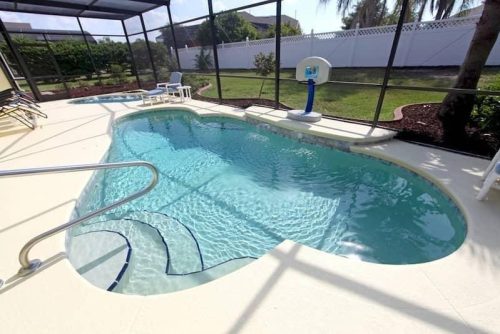
If you got a quote twelve to eighteen months ago and are just now moving forward, assume the numbers have changed. Material and labor costs in Florida have shifted in 2026. Working from a stale estimate is one of the more common mistakes homeowners make before installing.
The full 2026 cost breakdown, including regional pricing, is in the pool cage cost guide for Florida. The overall price to enclose a pool can vary heavily depending on engineering requirements, wind exposure, and enclosure design. But here’s what actually moves the number:
Enclosure type and size. A standard aluminum cage over a mid-size ground pool costs significantly less than a panoramic or hurricane-resistant build over a large swimming pool area. Bigger roof, more material, higher cost.
Your wind zone and location. Coastal cities like Naples, Fort Myers, and St. Petersburg have stricter engineering requirements. Thicker framing, stronger anchors, corrosion-resistant hardware. All of it adds to the price compared to an inland build in Orlando.
Slab condition. If your existing patio slab isn’t thick enough to anchor the structure properly, you’ll need additional concrete work before installation begins. Most homeowners don’t know this until the contractor shows up.
Screen type and hardware. Standard screen mesh is the base. Pet screen, tighter no-see-um mesh, and UV-blocking panels all add to the initial cost but deliver real long-term value. The same goes for stainless steel fasteners versus standard hardware, which rusts faster in Florida’s humidity and salt air.
Permits and engineering. These aren’t optional, and they aren’t free. Budget for them as part of the total, not as an add-on.
Here’s the ROI side of it:
A properly built pool enclosure reduces the time and money you spend on maintenance every week. Less debris in the water means fewer chemicals and less cleaning. Reduced evaporation keeps water and heating costs lower. And for families with young children or pets, it removes a constant worry.
In Florida, where outdoor space is part of everyday life, an enclosure also adds real property value. Buyers in markets like Sarasota and St. Petersburg expect it. It’s not seen as an upgrade. It’s seen as a finished backyard.
Common Mistakes That Cost Florida Homeowners Thousands
Most of these aren’t dramatic errors. They’re small decisions that seem fine at the time and turn into expensive problems later.
Choosing the cheapest quote without asking why it’s cheap. Low initial cost sounds good. But if the contractor is cutting corners on materials, skipping engineering drawings, or using hardware that won’t survive Florida humidity, you’ll be paying again in a few years. Pool enclosure rebuilds are not cheap.
Using a stale estimate. Prices for aluminum materials and skilled labor have shifted in 2026. If your quote is from last year, get a fresh one before you commit.
Forgetting about HOA approval until the last minute. The county can approve your permits, and the HOA can still make you tear the whole thing down. Start HOA review the same week you start the permit process, not after.
Hiring a contractor without a Florida license. An unlicensed contractor shifts every ounce of liability onto you. If the structure fails a final inspection, if a neighbor files a complaint, if a storm damages the enclosure, and your insurer asks for documentation, it’s your problem entirely.
Skipping the permit to speed things up. An unpermitted pool enclosure creates issues at insurance claim time, during a home inspection, and at resale. The savings upfront are almost always wiped out by what it costs to fix later.
Assuming last year’s code still applies. Florida’s Building Code updates regularly. What was acceptable a few years ago may require upgrades now. A contractor who doesn’t reference current code standards during the bid process is one to question.
Ready to Enclose a Pool? Here’s Where to Start
At this point, you have a clear picture. You know the enclosure type that fits your home, the process from installation through final inspection, what a reliable contractor looks like, and what’s actually driving cost in 2026.
The next move isn’t more research. It’s a conversation with someone who knows Florida conditions firsthand.
Creative Pool Cages works with homeowners across Florida, from Orlando and St. Petersburg to Sarasota and the Southwest coast. The team handles everything from engineering and permits to installation and final inspection, so you’re not managing the process from scratch.
Get a current estimate based on your yard, your wind zone, and today’s material costs. Not last year’s numbers. Contact Creative Pool Cages and take the first step toward a pool you actually use all year.