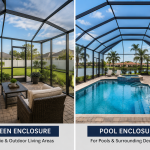
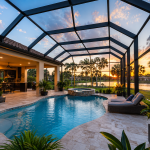
Pool Cage vs Pool Enclosure: What’s the Difference in Florida?
If you live in Florida and spend time around backyard pools, you’ve probably heard the terms pool cage and pool enclosure used almost interchangeably. Many Florida homeowners assume they mean the exact same thing. In reality, the two are closely related but not always identical.
Across neighborhoods in Orlando, Tampa, Sarasota, and Fort Myers, it’s common to see residential pools protected by some type of screened structure. Florida’s climate makes that almost necessary. Between insects, falling debris, and strong sunshine, leaving a backyard pool uncovered often leads to extra cleaning and less comfortable outdoor time.
Understanding what separates a pool enclosure from traditional pool cages helps you make a better decision for your home. The right structure can protect the pool area, reduce pool maintenance, and turn a simple backyard pool into a comfortable outdoor living space that you and your family can enjoy year-round.
Why Screen Structures Are So Common in Florida Backyards
If you spend time around Florida pools, you quickly notice something. Most swimming pools sit beneath some type of screened structure. These screen enclosures are almost a signature feature of residential pools across the Sunshine State.
One major reason is insects. Mosquitoes and the tiny biting flies locals call no-see-ums thrive in Florida’s warm climate. Without a barrier, spending time near the pool area during summer evenings can become uncomfortable. Screen enclosures help protect the space so you can relax or swim without constantly dealing with bugs.
Debris control is another big factor. Florida storms and strong winds can scatter leaves, pollen, and palm debris into backyard pools. A screened structure helps keep much of that debris out of the water, which helps you keep the pool clean and reduces pool maintenance.
Sun exposure also plays a role. With intense UV rays common across Florida, screened structures provide light shade and sun protection while still allowing fresh air and open views of your backyard.
What Is a Pool Enclosure?
A pool enclosure is a general term used to describe any outdoor structure that surrounds or covers a swimming pool. These enclosures are designed to protect the pool area while still allowing you to enjoy the outdoors.
In Florida, most enclosures consist of an aluminum-framed structure paired with durable screen panels. The frame supports the roof and walls, while the pool screen allows airflow and visibility across the yard. The result is an outdoor environment that feels open but still protected.
The main purpose of an enclosure is to cover swimming pools and help protect them from insects, debris, and wildlife. It also creates a defined outdoor space where you can relax, entertain, or swim without worrying about constant cleanup.
Many Florida homeowners extend the enclosure beyond the pool itself to include a patio or screened lanai. This creates a larger outdoor living space that often includes seating, lighting, and even ceiling fans.
Because Florida pools are used year-round, a well-built swimming pool enclosure becomes part of everyday backyard living.
What Is a Pool Cage?
A pool cage is a specific type of pool enclosure commonly installed over residential pools throughout Florida. When people talk about Florida pool cages, they are usually referring to tall aluminum structures covered in mesh screening that surround the pool area and patio.
These cages use a durable aluminum frame combined with pool screen material to create a protective barrier while keeping the space open and airy. The design allows sunlight, airflow, and clear views of the backyard while still helping protect the pool from insects and debris.
Most pool cages include:
A tall aluminum roof structure
Screen walls and ceiling panels
Entry doors for easy access to the pool area
A screened patio or screened lanai connected to the house
You’ll find custom pool cages throughout Florida communities—from suburban neighborhoods around Orlando to waterfront homes in Naples and Fort Myers.
For many homeowners, the cage becomes a natural extension of the home. It expands the outdoor space while helping you keep the pool cleaner and more comfortable to use.
Pool Cage vs Pool Enclosure: Key Differences
The terms pool cage and pool enclosure are often used interchangeably in Florida, but they are not exactly the same. A pool enclosure is the broader category of structures designed to surround or cover a pool area. A pool cage is simply the most common type of enclosure used in Florida homes.
The difference becomes easier to understand when you look at their features side by side.
Feature | Pool Cage | Pool Enclosure |
Structure | Aluminum framed structure with mesh screening | Can include screens, glass, or other materials |
Purpose | Protect pool from insects and debris | Broader protection options |
Design | Open, airy, outdoor feel | Can feel more indoor or enclosed |
Popularity in Florida | Very common | General category of structures |
For most Florida homeowners, pool cages remain the most practical option. They allow airflow, maintain visibility of the backyard, and help keep bugs and debris away while still letting sunlight reach the pool.
Types of Pool Enclosures Installed in Florida
Not every screened pool enclosure looks the same. Florida homeowners have several options depending on budget, backyard design, and how they want to use their outdoor living space.
Below are the most common enclosure styles you’ll see across Florida pools:
Screen Pool Cages
Screen pool cages are the most widely installed structures around Florida residential pools. These screened pool enclosures use aluminum frames combined with pool screen mesh to surround the entire pool area.
They provide strong debris control while allowing airflow and natural light. Many homeowners also install UV-blocking screens, which help filter sunlight while maintaining visibility of the backyard.
These structures typically cover both the pool and the surrounding patio, creating a comfortable outdoor living space where families can relax, swim, or entertain guests.
Glass Pool Enclosures
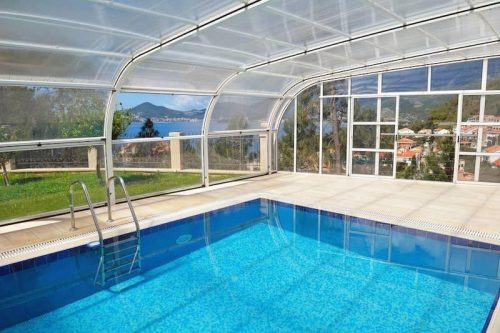
Glass enclosures offer stronger protection from weather conditions and rain. Instead of mesh screens, the structure uses glass panels to create a more enclosed environment around the pool.
These enclosures can make the space feel closer to an indoor environment, but they are much less common in Florida due to the higher cost and reduced airflow.
Retractable Pool Enclosures
Retractable systems operate somewhat like a large retractable pool cover. Sections of the enclosure can open and close depending on the weather.
When closed, the enclosure helps protect the pool from debris and rain. When opened, the pool area feels completely outdoors again.
Because of the engineering involved, retractable enclosures are typically found in luxury residential pools rather than standard backyard installations.
Florida Building Codes for Pool Enclosures
Installing a pool enclosure in Florida requires more than simply building a frame and attaching screens. The structure must comply with the Florida Building Code, which includes strict standards designed to handle strong winds and severe weather.
Because hurricanes and tropical storms are common, enclosures must be engineered to withstand powerful wind loads. Aluminum frames must be anchored securely, and the structure must be designed to resist shifting or structural damage during storms.
Local permitting offices typically review enclosure plans before installation begins. Counties like Orange, Sarasota, and Lee often require inspections to ensure the structure meets code requirements.
Many enclosures also act as an additional safety barrier around the pool area. This helps improve safety by limiting access for children, pets, or wildlife when the pool is not being used.
Working with experienced contractors helps ensure the enclosure meets local requirements and uses durable materials designed for Florida conditions.
Why Florida Homeowners Install Pool Enclosures
For many Florida homeowners, installing a pool enclosure quickly becomes a worthwhile investment for their backyard pool.
One of the biggest advantages is easier pool maintenance. Screens help keep leaves, insects, and debris out of the water, which means you spend less time cleaning and more time enjoying the pool.
Other benefits include:
Better debris control to keep the pool clean
Protection from insects and bugs
Light sun protection from UV rays
Added security that helps keep pets and wildlife away
A defined outdoor living space around the pool
With Florida’s long swim season, these benefits make a noticeable difference. Instead of constantly cleaning debris or dealing with bugs, you can relax and enjoy your backyard pool more often.
For many homeowners, the enclosure becomes part of the overall backyard lifestyle.
How to Choose the Right Pool Enclosure for Your Florida Home
Choosing the right pool enclosure depends on how you use your backyard and how you want the pool area to feel. Some homeowners want simple protection from insects, while others want a larger outdoor structure that expands the patio and outdoor space.
Before installing an enclosure, it helps to think about a few important factors.
Pool Size and Backyard Layout
Start by looking at the layout of your backyard pool and patio. Some enclosures are designed with a low-profile roof that follows the shape of the pool. Others extend across a larger patio area to create a full screened lanai.
Larger enclosures can create an outdoor room where you can add seating, lighting, or ceiling fans.
Budget and Long-Term Cost
The cost of an enclosure depends on the size of the structure, the materials used, and whether you need a new installation or a full replacement.
While the upfront investment may seem significant, many homeowners find that reduced maintenance costs and longer pool life make the enclosure worthwhile.
Lifestyle and Outdoor Use
Think about how you plan to use the space. If you enjoy entertaining visitors, relaxing outdoors, or letting children swim regularly, a larger enclosure can make the backyard far more comfortable.
It keeps insects out of the pool area while still allowing you to enjoy the outdoors.
Why Professional Pool Enclosure Installation Matters in Florida
Installing a pool enclosure may look simple, but proper construction requires experience and structural knowledge. Florida weather conditions can quickly damage poorly built structures. Strong winds, storms, and strong sun exposure can all put great stress on enclosure materials.
Professional installers know how to design enclosures that handle these conditions. They use corrosion-resistant aluminum, properly tension the pool screen, and ensure the frame is anchored securely to the patio.
Experienced contractors also handle permits and inspections, which helps avoid problems with local building departments.
A quality pool enclosure installation ensures the structure protects the pool area while lasting for many years without major repairs.
Pool Cages Are the Most Common Pool Enclosures in Florida
Across Florida neighborhoods, pool cages remain the most common type of enclosure installed over residential pools. Their open design allows airflow and natural light while protecting the pool area from insects, debris, and wildlife.
Drive through communities in Orlando, Tampa, or Sarasota, and you’ll quickly see how common these aluminum structures are around backyard pools.
For homeowners who want to enjoy their outdoor lifestyle year-round, screened cages offer a practical balance between protection and openness. They help keep the pool cleaner, reduce maintenance, and create a comfortable outdoor space where families can relax and swim.