If you live in Florida, you already know your pool cage isn’t just a nice add-on. It takes hits. Wind, debris, and long sun exposure. It all adds up. Then one storm rolls through, and suddenly the pool screen is ripped, the frame is twisted, and you’re staring at a repair bill you didn’t plan for.
Here’s the part most homeowners don’t realize until it’s too late. That structure? It’s not always fully covered. And in today’s Florida market, pool cage insurance can be surprisingly limited unless your insurance policy is set up the right way.
It’s not just a screen. It’s an investment. And most people don’t check their coverage until the wind starts howling.
What Pool Cage Insurance Actually Covers in Florida
Before getting into insurance coverage, you need to understand how your insurance company sees your setup.
Aluminum frame
Mesh screens
Anchored posts around the pool
You might hear it called a:
Pool enclosure
Lanai
Covered patio
Here’s where things shift. Your homeowners’ policy doesn’t always treat this structure the same as your house. In many cases, it’s considered separate.
Across places like Orlando or Sarasota, these enclosures are standard. They protect your outdoor space from bugs and debris. But from an insurance standpoint, they fall into a different bucket, and that’s what starts to affect coverage.
Does Homeowners Insurance Cover Pool Cages in Florida?
Here is the reality. Some policies cover them. Others don’t at all.
In today’s Florida market, many insurance carriers have started limiting pool cage insurance unless you have specific add-ons. That means your homeowners’ insurance policy might not automatically include your screen enclosure.
When Pool Cages Are Typically Covered
If your policy includes the right coverage options, damage from sudden events may be covered:
Hurricane and wind damage from named storms
Falling trees during a storm
Accidental impact on the structure
Example: A hurricane hits Fort Myers, and a tree limb crushes part of your pool enclosure. That’s often eligible under standard insurance claims, assuming your policy includes it.
The Big Catch in Florida Right Now
Many policies now require a screen enclosure endorsement.
Without it:
Wind-related damage may not be covered.
Payout for hurricane damage could be $0
That’s the part most homeowners miss.
When Pool Cages Are NOT Covered
Even with insurance, there are limits:
Wear and tear
Rust or corrosion
Poor maintenance
Intentional damage
There’s also something newer showing up in policies: cosmetic damage exclusions. If the cage is dented but still functional, your insurance provider may deny the claim.
This is why pool cages covered under insurance isn’t a yes-or-no answer. It depends on how your policy is built.
How Florida Insurance Policies Classify Pool Cages
This is where things get a little technical, but it’s also where most homeowners get surprised.
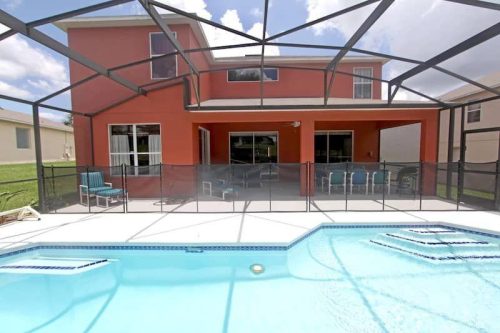
In many Florida homeowners’ policies, your pool enclosure falls under Coverage B (Other Structures). That’s the same category used for things like fences or detached garages, not your main house.
That includes:
Detached garages
Fences
Carport systems
Screen enclosure structures
Your pool cage insurance limit is usually tied to a percentage of your home’s insured value, not the cage itself.
Here’s a simple example:
Home insured for $500,000
Coverage B = 10%
Maximum payout = $50,000
Sounds fine at first, until you factor in deductibles and policy limits.
Now here’s where things shift.
If your cage is attached to your roofline, some adjusters may treat it differently from one bolted to your deck. That small detail can affect coverage more than most people expect.
And then there’s Florida deductibles. Policies often include separate deductibles for hurricanes and tropical storms, and they’re based on your home’s value, not the cage.
So even when pool cage insurance applies, the actual payout may be lower than expected.
Understanding how your insurance policy classifies your structure is what helps you avoid surprises before filing a claim.
How Much Will Insurance Pay for Pool Cage Damage?
This is where expectations and reality split.
Most pool cage insurance claims fall into two categories:
Type | What Happens | Result |
Replacement cost | Pays full rebuild | Higher payout |
Actual cash | Deducts depreciation | Lower payout |
Here’s the catch. Many older cages fall under actual cash value.
If your pool cage is over 10–15 years old, the value after depreciation can be very low. That’s called the ACV trap.
Now add Florida deductibles.
Example:
Home value: $500,000
2% hurricane deductible = $10,000
If your repair cost is $8,000, your insurance company pays nothing. You’re fully paying out of pocket.
That’s the moment most homeowners realize how their coverage actually works.
Common Reasons Pool Cage Claims Get Denied in Florida
Denied insurance claims usually come down to a few patterns.
Maintenance issues
Weak screens or corrosion can void coverage.Pre-existing damage
Anything before the storm falls under exclusions.Wear and tear
Florida sun and salt air break down materials.Cosmetic damage clauses
Dents or minor bends may not qualify.Policy gaps
Missing screen enclosure endorsement
In coastal areas like Clearwater or Sarasota, corrosion alone can be enough for a denial.
Most denials aren’t random. They happen because the damage doesn’t meet the policy’s definition of a covered event.
That’s why documenting your structure and understanding your insurance policy matters before something goes wrong.
What to Do After a Pool Cage Storm Damage
After a Florida storm, time matters.
Start with documentation:
Take photos of the damage.
Capture the full structure and close-ups.
Note when the storm happened.
Then:
Contact your insurance company.
File your claim
Schedule an inspection
Hold off on major repairs until the adjuster sees it. Temporary fixes are fine if needed to protect your property.
After large hurricanes, contractors in Tampa and Orlando book out quickly. Acting early helps you avoid delays. If you’re dealing with damage locally, it helps to look into pool enclosures in Tampa to understand repair timelines and availability.
The key is simple. Move quickly, but don’t guess your next step.
Should You Repair or Replace a Damaged Pool Cage?
Not every situation calls for replacement.
Torn screens → rescreening
Minor frame issues → localized repairs
Structural damage → full rebuild
Here’s the Florida angle. New installations must meet updated wind-load codes.
If your cage is older, replacing it may offer better long-term protection and fewer issues with future insurance claims.
A licensed pool cage contractor can help you decide what makes sense based on safety, cost, and code compliance.
Sometimes, repair is enough. Other times, replacement avoids repeating the same problem in the next storm season.
Why Many Florida Homeowners Pay Out-of-Pocket
Even with pool cage insurance, many homeowners still pay out of pocket.
Why?
High deductibles
Limited coverage
Depreciation under actual cash policies
In many cases, the deductible is higher than the repair cost. Filing a claim doesn’t make financial sense.
There’s also timing. After major storms, waiting on insurance can delay repairs for weeks.
In places like Fort Myers, that delay can increase your total cost.
So while insurance offers protection, real-world decisions often come down to speed and practicality.
Get a Professional Pool Cage Inspection Before Filing a Claim
Before filing a claim, get clarity first, especially when it comes to pool cage insurance and what your policy will actually cover.
A professional inspection helps you:
Understand real damage
Avoid denied insurance claims.
Decide if filing makes sense.
Here’s the part most people miss. Insurance may not pay to upgrade your cage to current wind-load standards unless you have the right coverage.
So this isn’t just about damage. It’s about making sure your structure meets today’s requirements.
Getting expert input first saves time, avoids surprises, and helps you move forward with confidence.