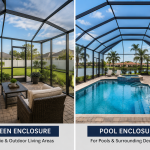
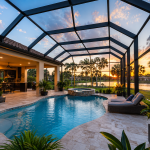
A standard pool enclosure usually isn’t the problem—until your backyard changes.
Maybe you’ve added a spa. Maybe you’re planning an outdoor kitchen. Or maybe you’ve simply realized the view you paid for is hidden behind a row of aluminum posts every time you step outside.
It happens more often than you might think.
Many homeowners start with a basic enclosure because it meets their needs at the time. Years later, the backyard has become the favorite place to relax, entertain, or spend weekends with family. Suddenly, the enclosure feels too small, too dark, or no longer fits the way the space is actually used.
That’s when switching to custom pool enclosures makes the biggest difference.
A custom design isn’t about making the enclosure look expensive. It’s about making it work better for your property. The layout, roof height, screen selection, and structural design are planned around your swimming pool, your outdoor space, and the way you want to enjoy it.
In Florida, those decisions matter even more. Daily UV exposure, heavy summer rain, hurricane season, and constant humidity all affect how an enclosure performs over the next 15 to 25 years. The right design can reduce future maintenance, improve comfort, and make the investment feel worthwhile long after construction is finished.
Key Takeaways:
|
Why Many Florida Homeowners Outgrow Standard Pool Enclosures
Most standard enclosures are designed to fit the average backyard. Your property probably isn’t average.
When the house was built, a simple enclosure may have been exactly what you needed. It kept insects away, reduced debris in the pool, and made the pool area more enjoyable.
Life changes, though.
You add a larger dining table. The kids get older. A spa goes in. An outdoor kitchen moves from an idea to a real project. Before long, you’re trying to make yesterday’s layout work for today’s lifestyle.
The Problem with Space & Views
Space Constraints: An enclosure that comfortably covered the swimming pool may leave very little room for relaxing or entertaining. Furniture starts feeling crowded, walking paths become tighter, and the backyard never feels as open as you imagined.
Obstructed Views: Traditional pool cages rely on multiple vertical supports for strength. They do exactly what they’re supposed to do structurally. But they can also interrupt the view of a pond, golf course, or conservation area.
If you’ve spent any time around neighborhoods in Orlando or Tampa, you’ve probably seen both styles. Some enclosures seem to disappear into the landscape. Others become the first thing you notice.
The difference usually isn’t the house. It’s the design.
A well-planned enclosure should feel like part of your home instead of something added afterward. It should improve how you use the backyard every day—not simply keep bugs out if you are considering pool enclosures in Florida.
What Makes One Custom Pool Enclosure Different From Another?
Every custom project starts with one question: what does your property actually need?
Many people assume customization means choosing a different roof style or adding decorative features. Those decisions honestly come later.
First Site Visit Checklist
The first site visit is usually spent looking at things you may never have considered:
Existing concrete around the pool
Drainage after heavy rain
Property setbacks
Roof attachment points
Pool equipment locations
Future backyard improvements
How people naturally move through the space
Those details shape the design far more than the color of the frame or the style of the roof.
Location & Local Climate
Location matters too. A property near Tampa Bay may experience more airborne salt than one farther inland, making corrosion resistance a bigger priority. Around Orlando, afternoon storms and intense UV exposure often influence roof design, shade options, and drainage planning.
Engineering & Planning Ahead
Most homeowners don’t think about engineering until they start comparing proposals. That’s when they discover why two enclosures that look almost identical can have very different prices.
Larger openings, panoramic views, taller rooflines, and integrated patio enclosures usually require additional engineering to meet Florida’s wind load requirements and local building codes. Those calculations aren’t just paperwork. They determine how well the enclosure performs when strong storms move through Central Florida.
Planning ahead also saves money later. If you expect to add an outdoor kitchen, expand the patio, or create larger outdoor living spaces in the future, it’s usually easier to account for those plans during the original design than modify the structure after it has been built.
A good enclosure shouldn’t just look great on day one. It needs to hold up against Florida weather and fit how you actually use your yard.
Custom Pool Enclosures: Which Design Features Deliver the Most Value in Tampa, Brandon & Orlando?
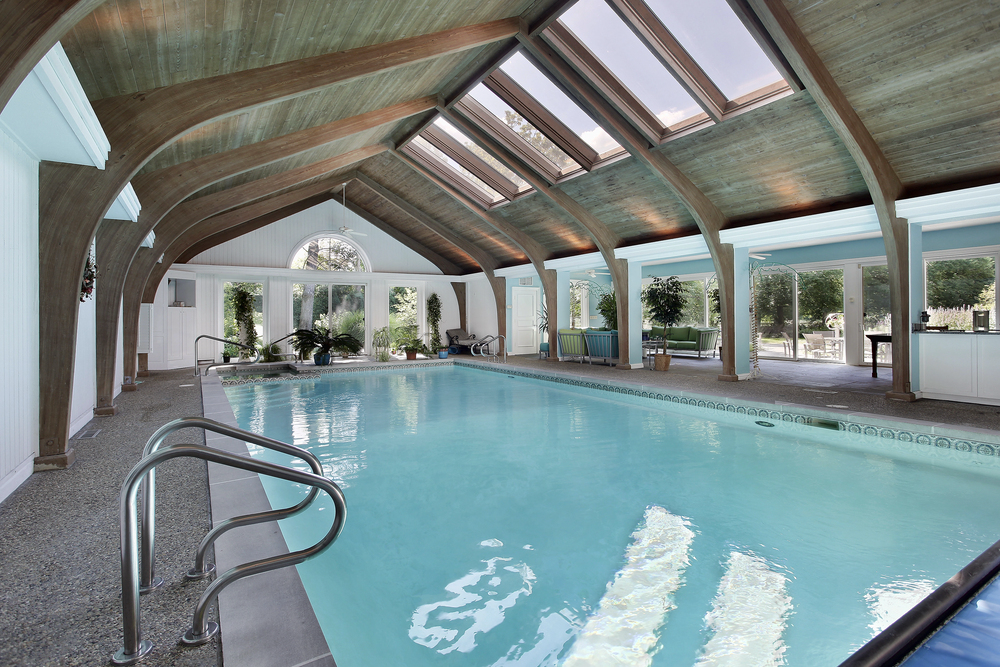
The best design features are the ones that improve how you use your backyard every day, not the ones that simply add to the price.
It’s easy to get distracted by brochures showing dramatic rooflines or oversized enclosures. In reality, the right features depend on your property, your budget, and how you plan to use the space. A family that entertains every weekend has different priorities than someone who wants less cleaning around the pool.
Florida’s climate also changes the conversation. Afternoon storms, strong sunlight, high humidity, and seasonal wind all influence which upgrades make sense over the long term.
Let’s look at the features that usually deliver the most value.
1. Panoramic Views vs. Traditional Framing
If your backyard has a view worth protecting, panoramic designs are often the first upgrade homeowners ask about.
Traditional Pool Cages: Use more vertical posts to support the structure. They’re dependable and cost-effective, but they can interrupt the view from inside the enclosure.
Panoramic / Picture-Window Designs: Reduce visual barriers by using wider engineered spans and fewer support members where possible. The result is a much cleaner view across your backyard.
That doesn’t automatically make panoramic designs the better choice. Wider openings usually require more engineering and stronger framing to satisfy Florida’s wind load requirements. The investment is higher, but many homeowners feel it’s worthwhile when the property overlooks a lake, golf course, or conservation area around Tampa or Orlando.
Before deciding, ask yourself one question:
What do you notice first when you walk outside—the enclosure or the view?
If the answer is the enclosure, a panoramic design may completely change how the backyard feels.
2. Screen Roofs, Hybrid Roofs, or Insulated Roof Sections?
The right roof depends less on appearance and more on how you use the space.
Roof Style | Key Features & Best Use |
Traditional Screened Roof | Provides excellent airflow and allows plenty of natural light. Popular for homeowners who enjoy being outdoors and want the enclosure to feel open. |
Insulated Roof Section | Creates shade where you need it most. Placed over dining tables, seating areas, or summer kitchens while leaving the rest screened to reduce direct sun without feeling completely enclosed. |
If your property receives intense afternoon sun—as many homes around Orlando do—adding shade in the right location can make the space noticeably more comfortable during the hottest months.
The goal isn’t covering everything. It’s placing protection exactly where you’ll appreciate it most.
3. Choosing the Right Screen for Your Lifestyle
Not all screen products perform the same. The screen type you choose affects visibility, airflow, insect protection, privacy, and even how often you clean the enclosure.
Standard Fiberglass: Everyday performance
No-See-Um Mesh: Protection against tiny biting insects
BetterVue Screens: Improved visibility
Solar Screens: Additional shade and heat reduction
Pet-Resistant Mesh: Designed for homes with large dogs
There’s rarely one perfect choice. A property near wooded areas may benefit from tighter mesh to reduce insects. A backyard with an open water view may place higher value on visibility. Families who spend long afternoons outside often appreciate screens that help soften harsh sunlight while still allowing plenty of fresh air.
Better screen products can also help reduce leaves and airborne debris, cutting down the amount of time you spend maintaining the pool area.
4. Which Upgrades Are Actually Worth Paying For?
Some upgrades increase the quote without adding much practical value. Others continue paying you back for years.
Features that many experienced pool cage builders recommend considering include:
Larger access doors for moving patio furniture
Super gutters that improve water management during heavy rain
Stronger fasteners for improved corrosion resistance
Ceiling fan and lighting preparation before installation
Reinforced framing for larger spans or future additions
These aren’t the upgrades that usually stand out during the sales presentation. They’re the ones you appreciate after living with the enclosure through several Florida summers and hurricane seasons when calculating your overall pool cage cost in Florida.
What Actually Determines the Cost of a Custom Pool Enclosure in Florida?
The biggest factor affecting the price isn’t the size alone. It’s everything required to build an enclosure that fits your property and meets Florida’s engineering standards.
Two homeowners can have pools with nearly identical dimensions and receive quotes that differ by several thousand dollars. That surprises many people until they understand what’s included behind the numbers.
A simple rectangular enclosure is usually faster to engineer and install than one built around a freeform swimming pool, raised spa, or outdoor kitchen. The more unique the layout becomes, the more planning, fabrication, and labor are involved.
Size Is Only One Part of the Estimate
Square footage gives you a rough estimate, but it rarely covers the full picture.
Many projects are estimated by the square foot, with standard screen enclosures often falling between $20 and $25 per square foot. A straightforward project may cost $8,000 to $15,000, while larger or more complex installations can exceed $25,000.
Those numbers are useful for budgeting, but they aren’t guaranteed prices.
Price Drivers:
Overall square footage
Roof height and roof design
Engineering requirements
Site accessibility
Existing concrete conditions
Permit fees and inspections
Material selections
Structural upgrades
A freeform pool with multiple angles requires more fabrication than a simple rectangle. A taller enclosure with panoramic openings requires additional engineering compared to a lower-profile design.
Every decision affects both labor and materials. That is why the final price should always be based on a site visit rather than an online calculator.
Hidden Costs Many Quotes Don’t Explain
A low quote doesn’t always mean you’re getting the better value. Some contractors only price the enclosure itself, while others include services that homeowners assume are standard.
Before comparing proposals, find out whether the estimate includes:
Engineering drawings
Permit approval and municipal submissions.
HOA documentation, if required
Demolition of existing structures
Site preparation
Final inspections
Cleanup after installation
Those items can significantly affect your overall budget if they appear later as change orders.
Material choices also matter. A stronger aluminum frame, upgraded hardware, or premium screen material costs more upfront, but those upgrades often perform better in Florida’s humid environment. If your home is within the salt-air influence of Tampa Bay, corrosion resistance becomes even more important.
Ask every contractor to explain what is included—and just as importantly, what isn’t. Clear answers today help prevent expensive surprises later.
When Spending More Today Can Save Money Later
Not every upgrade is worth paying for. Some simply change the appearance of the enclosure. Others improve how it performs for the next two decades.
A thicker aluminum frame, better fasteners, and high-quality materials can reduce future repair costs by resisting corrosion and everyday wear. Improved drainage features help move water away from the enclosure during Florida’s heavy rainstorms, reducing unnecessary stress on the structure.
Choosing the right roof style can also affect long-term comfort. Some homeowners prefer fully screened roofs for maximum airflow, while others add insulated sections over seating areas to improve shade and make outdoor living more comfortable throughout the year.
It’s also worth thinking beyond today’s needs. If you expect to add a summer kitchen, upgrade your deck, or expand your entertaining area later, planning for those changes during the original design is often less expensive than modifying the enclosure after it has been installed when deciding between pool cage replacement vs rescreening.
The cheapest bid today often means more repair bills tomorrow. It’s about paying for quality upfront so you don’t have to worry about constant maintenance.
How to Plan a Custom Pool Enclosure Project From Consultation to Completion
The most important work happens well before construction ever starts. The planning stage is where you avoid costly changes, choose features that fit your lifestyle, and make sure the enclosure is designed for your property, not someone else’s.
The best projects follow a clear process instead of rushing to a price.
Step 1: Evaluate Your Backyard Before Choosing a Design
Start by looking at how you actually use the space.
It’s easy to focus on the enclosure, but the backyard should drive the design. Walk through the area and think about where people naturally gather, where shade is needed most, and how you move between the house, patio, and pool area.
An experienced contractor will also evaluate details that aren’t immediately obvious, including:
Existing concrete and drainage
Pool equipment locations
Property setbacks
Roof attachment points
Utility lines
Space for future additions
These factors help determine whether a standard layout works or whether custom pool enclosures will provide a better long-term solution.
Step 2: Choose Features That Match How You’ll Use the Space
Every upgrade should solve a real need.
If you spend weekends entertaining, a larger seating area or wider access doors may be more valuable than decorative features. If you swim throughout most of the year, adding shade over part of the enclosure can make the space noticeably more comfortable during the hottest months.
Think about how your backyard may change over time. You might eventually add:
An outdoor kitchen
A dining area
A fire feature
A pool spa
Additional seating
Planning for those improvements now is usually easier than modifying the enclosure later. Your layout should make your space easier to use, not force you to work around it.
Step 3: Understand Engineering, Permits, and Local Requirements in Tampa or Orlando
Every custom project must satisfy Florida’s building standards before construction begins.
That includes engineered drawings, permit reviews, and inspections designed to verify the enclosure meets local building codes and regional wind load requirements. Depending on where you live, HOA approval may also be required before securing a permit for a pool cage in Florida.
Standard Project Timeline:
On-site consultation and measurements
Preliminary design
Engineering and permit preparation
Municipal review and permit approval
Material fabrication
Installation
Final inspection
Most projects are completed about 8 to 12 weeks after permit approval, although fabrication schedules and local permitting timelines can affect the overall project.
Rushing this stage rarely saves time. Careful planning usually leads to fewer delays once construction begins.
Step 4: Compare Contractor Proposals Beyond the Price
A lower quote doesn’t automatically mean you’re getting the better project. Before making a decision, compare what each contractor is actually providing. Two proposals may look similar at first glance while including very different materials, engineering, and warranty coverage.
Essential questions to ask a pool cage contractor:
Is engineering included?
Who handles permits and inspections?
What grade of aluminum will be used?
Are upgraded fasteners included?
What does the warranty cover—and what does it exclude?
Who is responsible for cleanup after installation?
Those answers often tell you more than the bottom line.
It’s also worth asking whether the contractor designs and builds the enclosure specifically for your property or simply adjusts a standard layout. A truly custom-designed project should reflect your home’s architecture, your outdoor living goals, and the conditions unique to your backyard.
When Is a Custom Pool Enclosure the Better Investment?
A custom enclosure is usually worth the investment when a standard design forces you to compromise.
If your backyard has an irregular pool, a sloped lot, an outdoor kitchen, or a premium view, a tailored design often delivers better results than trying to make a stock layout fit. The same is true if you’re building around mature landscaping or combining patio enclosures with the main pool structure.
On the other hand, not every project requires customization.
If your yard has a straightforward layout and your primary goal is simply keeping insects and leaves out of the pool, a standard enclosure may provide everything you need at a lower cost.
The best decision comes down to value, not features.
Choose the option that fits how you plan to use the space over the next 15 to 20 years—not just what works today. A well-designed enclosure should feel like a natural extension of your home, add lasting functionality, and continue supporting your family’s outdoor lifestyle long after installation is complete.
Get a Custom Pool Enclosure Designed Around Your Florida Home
You don’t need a high-end upgrade on every surface. You just need a design that fits your yard and daily routine.
A thoughtful design considers more than the size of your swimming pool. It takes into account your property’s layout, Florida’s weather, long-term maintenance, and the features that will still matter years from now. Those decisions can make the difference between an enclosure that simply covers your pool and one that becomes a natural extension of your home.
If you’re comparing ideas or planning a new project, an on-site consultation is the best place to start. Seeing the property in person allows an experienced builder to recommend practical solutions based on drainage, existing concrete, wind exposure, and how you want to use the space.
At Creative Pool Cages, every project is engineered around the home—not a one-size-fits-all template. Whether you’re planning a panoramic enclosure in Tampa, expanding your outdoor living area in Brandon, or designing a new enclosure for a home in Orlando, you’ll receive recommendations that balance appearance, structural performance, and long-term value.
FAQs About Custom Pool Enclosures in Florida
Are custom pool enclosures worth the extra cost?
Yes, if your property has a unique layout or you want features that a standard enclosure can’t provide. A custom design can improve usability, preserve views, and better accommodate outdoor kitchens, spas, or future backyard upgrades.
How much do custom pool enclosures cost in Florida?
Costs vary based on size, engineering, materials, and design complexity. While many projects start around $20 to $25 per square foot, larger or highly customized enclosures can exceed $25,000 once permits, engineering, and premium features are included.
How long does it take to build a custom pool enclosure?
Most projects are completed 8 to 12 weeks after permit approval. The total timeline depends on engineering, municipal review, fabrication schedules, and weather conditions during installation.
Can a custom pool enclosure cover both the pool and patio?
Yes. Many homeowners choose a single enclosure that covers the pool, seating area, and outdoor dining space. Planning everything together often creates a more functional backyard than enclosing each area separately.
Do custom pool enclosures require permits in Florida?
Yes. New enclosures generally require engineered drawings, permits, and inspections to comply with Florida Building Code and local wind-load requirements. Requirements may vary slightly by municipality.
What features add the most long-term value?
Features that improve everyday use tend to provide the greatest value. Panoramic screen walls, stronger framing, premium screens, larger doors, and effective drainage systems often make a bigger difference than purely decorative upgrades.
Can an existing pool enclosure be customized instead of replaced?
Sometimes. If the existing frame is structurally sound, certain modifications may be possible. However, older enclosures or those that don’t meet current code may require replacement to safely accommodate significant design changes.