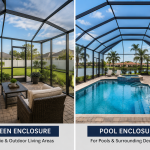
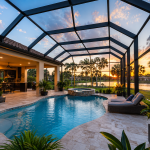
Choosing the right aluminum thickness for a pool enclosure sounds simple until you start getting estimates. One pool cage builder recommends 12 mil. Another pushes 16 mil. Then suddenly you are comparing prices, wind ratings, engineering, and trying to figure out what actually matters for your Florida home.
The truth is, not every pool enclosure needs the thickest possible frame. A standard backyard setup in Orlando has very different demands than a large panoramic screened pool enclosures project near Naples or Sarasota, facing stronger coastal weather conditions year-round.
In this guide, we’ll break down 12 mil vs 16 mil aluminum for pool enclosures in a way that actually makes sense. You’ll learn how thickness affects durability, movement, long-term performance, storm resistance, and whether paying more for thicker extruded aluminum is genuinely worth it for your specific project.
Quick Comparison Snapshot
Feature | 12 Mil Aluminum | 16 Mil Aluminum |
Best Use | Standard residential enclosures | Large panoramic enclosures |
Frame Movement | Moderate flex | Reduced flex |
Wind Resistance | Good | Stronger overall |
Coastal Exposure | Works inland | Better near salt air |
Weight | Lighter | Heavier |
Cost | Lower upfront | Higher upfront |
Long Term Durability | Good | Better for oversized spans |
Common Florida Use | Orlando suburban homes | Naples and Sarasota waterfront homes |
A simple way to picture it helps.
Think of a smaller backyard spa enclosure setup with several support posts. A 12 mil frame usually handles it fine. Now picture a wide panoramic enclosure with fewer vertical supports and large open views toward the pool. The larger the span gets, the more important rigidity becomes.
Not every homeowner needs 16 mil. But certain designs absolutely benefit from it.
What Does 12 Mil vs 16 Mil Aluminum for Pool Enclosures Actually Mean?
Most homeowners assume the numbers only describe how thick the aluminum is. Partly true. But there is more going on behind the scenes.
In pool enclosure construction, contractors are usually talking about the wall thickness of the extruded aluminum beams used to build the structure. Thicker material creates a more rigid frame with less visible movement over time.
People often confuse:
mil thickness
gauge
beam size
structural rating
They are related, but not identical.
A thicker enclosure beam can better withstand stress from wind, expansion, and constant movement during Florida storms. You especially notice the difference in larger screened pool enclosures with panoramic openings.
Still, thickness alone does not guarantee quality.
A poorly installed enclosure with weak anchors or rushed engineering can fail faster than a properly built 12 mil system. We have seen homeowners focus entirely on beam size while ignoring fasteners, footing attachment, and corrosion protection.
The outcome usually catches up later. Especially after a few hurricane seasons.
Before getting into storm performance, it helps to understand how these two systems behave differently in the real world.
Structural Performance: The Real Differences Between 12 Mil and 16 Mil Aluminum
The biggest difference comes down to rigidity. A 16 mil frame generally feels stronger and moves less under pressure.
You may not notice it immediately on day one. But over several years of Florida heat, wind, and heavy rain, movement starts adding up.
With 12 mil systems, some homeowners notice:
slight vibration during storms
more visible flexing
stress around joints
occasional movement near door frames
A 16 mil enclosure usually reduces those issues because heavier materials bend more easily.
This becomes more important with:
panoramic designs
oversized enclosures
large outdoor living areas
custom modern design layouts
wide space openings
For example, many homeowners in Sarasota want cleaner views and fewer vertical posts with panoramic enclosure designs. It looks more open and sleek around the pool, especially in larger outdoor living spaces.
But removing supports changes the entire engineering equation.
The wider the opening, the more stress transfers into the main frame and anchor points. A stronger combination of thicker beams and proper structural design helps protect the enclosure from long-term fatigue.
You also have to factor in accessories and attached features like:
polycarbonate roof panels
panoramic glass sections
upgraded door systems
attached spa sections
All of those add weight. Next comes the Florida factor. And honestly, this changes the conversation more than most homeowners expect.
Florida Storms, Wind Loads, and Building Code Requirements
Florida weather pushes pool enclosures harder than almost anywhere else in the country.
Between humidity, salt air, summer storms, and hurricane season, your enclosure constantly deals with shifting pressure and extreme weather conditions. A setup that performs well inland may struggle near the coast.
That is why 12 mil vs 16 mil aluminum for pool enclosures matters in Florida more than in many other states.
Homes near Naples, Tampa Bay, Fort Myers, and Sarasota often face:
higher wind exposure
stronger coastal corrosion
salt air buildup
more severe storm pressure
Orlando homeowners usually deal with different conditions. Still stormy. Still humid. But often less aggressive than waterfront environments.
Many homeowners researching the best pool enclosure for Florida weather are surprised by how much location changes the structural demands of the enclosure itself.
Local code matters too.
Most Florida pool enclosures must comply with wind load requirements under the Florida Building Code 9th Edition. Depending on your city, the required structural calculations may affect:
beam sizing
attachment methods
anchor depth
roof style
overall engineering
Even a thicker frame still needs proper installation to pass security and permitting standards.
Structural Longevity: Why 16 Mil Reduces Frame Fatigue Over Time
Frame fatigue is real in Florida. You just usually do not notice it until years later. Daily heat cycles cause aluminum to expand and contract constantly. Add storms, humidity, and heavy rain, and the enclosure experiences nonstop movement over time.
A thicker frame helps reduce that repeated flexing.
With 16 mil systems, there is often:
less shifting around joints
Reduced stress on screws
better rigidity during storms
improved long-term durability
Think about bending a thin ruler versus a thicker one repeatedly. Eventually, constant movement weakens the thinner material faster.
Same principle here.
Now, it does not mean 12 mil suddenly becomes weak after a few years. Plenty of properly maintained enclosures last a long time. But oversized spans, panoramic layouts, and coastal exposure accelerate wear. Especially near salt air environments.
Many homeowners upgrading older screened pool enclosures in Naples or Sarasota notice their previous enclosure started loosening around attachment points after years of movement. Sometimes the screens stayed intact while the structure itself developed stress.
That distinction matters. Because replacing screens costs far less than rebuilding framing.
Is Upgrading to 16 Mil Aluminum Actually Worth the Extra Cost?
Sometimes yes. Sometimes not.
The smarter question is whether the additional structural capacity matches your actual project needs. When comparing 12 mil vs 16 mil aluminum for pool enclosures, the better option usually depends more on enclosure size, exposure level, and long-term ownership plans than marketing claims alone.
For smaller residential enclosures, especially inland homes around Orlando, 12 mil often provides a solid balance between cost and durability. You still get strong protection, good lifespan, and lower upfront pricing.
But there are situations where 16 mil becomes easier to justify.
Usually:
panoramic enclosures
waterfront homes
large covered outdoor areas
custom luxury modern design projects
long-term ownership goals
The added rigidity helps maintain the cleaner look many homeowners want.
For example, a panoramic enclosure with a dark bronze finish and oversized viewing area simply feels more stable with heavier framing. Less visible movement. Cleaner sight lines. Better long-term support for larger openings.
The cost difference typically comes from:
thicker materials
additional engineering
heavier beam handling
larger spans
upgraded anchoring systems
A lot of homeowners initially focus only on the upfront cost. Fair. But long-term stability matters too. Especially if you plan on staying in the house for years instead of selling soon.
Still, not every home benefits equally from the upgrade. And contractors should explain where the money actually goes instead of automatically upselling thicker aluminum.
Best Aluminum Thickness by Pool Enclosure Type
Here is where things usually land for most Florida homes.
Enclosure Type | Recommended Thickness |
Standard backyard enclosure | 12 mil often works well |
Panoramic enclosure | 16 mil preferred |
Waterfront property | 16 mil recommended |
Large outdoor living area | 16 mil stronger long term |
Budget-focused remodel | 12 mil practical |
Smaller spa enclosures | Often, 12 mil is sufficient |
The biggest factor is usually span size.
Smaller enclosures with multiple support posts place less stress on the frame. Larger panoramic layouts transfer more load into fewer structural members.
Your location matters too.
A home in inland Orlando experiences different weather conditions than a coastal property in Naples with direct storm exposure and salt air year-round.
One set-up does not fit every situation. And honestly, good contractors should walk you through that instead of treating every enclosure the same.
Questions Homeowners Should Ask Before Choosing Aluminum Thickness
Before signing a proposal, ask a few direct questions. Not enough homeowners do this. A lot of homeowners researching 12 mil vs 16 mil aluminum for pool enclosures focus heavily on price at first, then realize later the bigger issue is whether the enclosure was designed properly for their location and layout.
Start with:
Is the enclosure panoramic or standard?
How large are the unsupported spans?
Is the property inland or coastal?
What wind load requirements apply locally?
Will the enclosure include polycarbonate roofing or upgraded panels?
How long do you plan on staying in the house?
Does the pool cage builder handle permitting and engineering in-house?
What hardware and anchors are being used?
A contractor should explain these clearly without rushing through them.
If the answers feel vague, keep asking.mYou are investing in a permanent outdoor structure. Not ordering interior doors from a catalog page.
And yes, some homeowners get overwhelmed during the research process because every website claims its system is best. A lot of marketing online feels like automated security verification pages trying to filter out malicious bots instead of actually helping customers make an informed decision.
The details matter more than the sales pitch.
The Bigger Mistake Most Homeowners Make: Focusing Only on Thickness
The biggest enclosure failures we see are not always caused by beam thickness. Installation problems cause plenty of issues, too.
A poorly installed 16 mil enclosure can still develop movement, loose anchors, water intrusion, or structural stress if shortcuts happen during construction.
Usually, the real problems involve:
weak attachment points
rushed fabrication
poor anchoring
undersized footings
cheap fasteners
lack of corrosion protection
The best enclosure systems work because everything functions together:
proper engineering
quality materials
skilled installation
code-compliant anchoring
good layout planning
We have seen homeowners spend extra money upgrading beam thickness while ignoring the actual workmanship.
That rarely ends well. A properly built 12 mil enclosure will outperform a rushed 16 mil installation every time. Especially in Florida, where heat, storms, humidity, and constant exposure push outdoor structures hard year-round.
Choosing the Right Pool Enclosure Comes Down to the Whole System
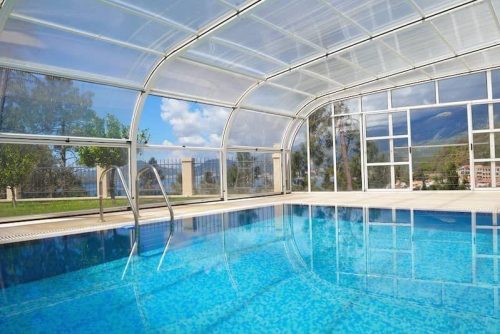
At the end of the day, 12 mil vs 16 mil aluminum for pool enclosures is not about picking the thickest option just because it sounds stronger. The better choice depends on your layout, your location, and how the enclosure will actually be used over time.
A standard backyard enclosure in Orlando may perform perfectly well with 12 mil framing. A panoramic waterfront project in Sarasota may genuinely benefit from the added rigidity of 16 mil extruded aluminum. Different homes. Different demands.
The bigger goal is building a system that feels solid, looks clean, and holds up through Florida weather without constant repairs or frustration later.
At Creative Pool Cages, we have seen how outdoor living projects succeed when homeowners look at the entire setup instead of chasing one specification. Good engineering, experienced installation, and realistic planning almost always matter more than marketing buzzwords alone.