Most homeowners assume adding a pool cage is simple. It’s just aluminum and screen, right? Not in Florida. The moment that structure gets anchored to your slab, the hurricane code steps in. Wind load calculations. Engineering specs. Permit review. That’s the part people miss.
In places like Naples and Fort Myers, coastal exposure changes the requirements. Sarasota has its own jurisdictional nuances. Destin? Higher wind zones. Same pool cage idea, different rules.
This guide breaks down what actually counts as a pool cage or pool enclosure under Florida code, when permits are required, and when minor repairs like rescreening don’t trigger a full review. It does not cover full glass rooms or major home additions. Just what homeowners realistically deal with before building.
Is a Permit Required for a Pool Cage in Florida?
The short answer? Yes. If you’re building a pool cage in Florida, you need a permit from your local building department. Florida treats these as permanent structural additions because they must meet engineered wind-load requirements. In many areas, that means designing for hurricane-level forces, not just everyday weather.
New Pool Cage Installations
Starting a pool cage construction from scratch isn’t just measuring aluminum and picking a screen type. You’ll need sealed engineering plans, a site-specific layout, and a licensed contractor to submit the permit application. This ensures the installation passes the local building codes for safety and durability.
And here’s what many homeowners don’t realize: unpermitted structures can complicate insurance claims after a storm. If it wasn’t approved, coverage isn’t always guaranteed.
Structural Modifications & Replacements
Thinking about adding a door or changing the roof style to a clearview enclosure? That’s a structural change. Any project that alters the aluminum framing system or changes the enclosure footprint usually requires a new permit review under current code standards.
Codes evolve. Wind maps update. What passed inspection ten years ago may not meet today’s requirements.
Rescreening vs. Frame Replacement
Here’s where it gets nuanced. Replacing individual screen panels is generally considered routine maintenance. Even full rescreening often does not require a structural permit because the frame isn’t being altered.
But once you begin replacing rusted fasteners, bent beams, or compromised structural members, the scope shifts from maintenance to structural repair, and that frequently triggers permit review.
If there’s uncertainty, verify with your local building department rather than relying solely on contractor interpretation.
Why Florida Requires Permits for Pool Enclosures
Wind Load & Hurricane Engineering Requirements
Florida’s Building Code is among the most stringent in hurricane-prone states. Your pool area must withstand specific wind pressures. This means using top-quality materials, like heavy-duty alloys. Engineers calculate how much lift the roof gets during a hurricane. That determines aluminum member size, fastener type, and anchor spacing. This is to ensure the outdoor living space stays put.
Florida Building Code Compliance
Compliance isn’t optional. Every screen enclosure must follow the highest standards for structural load. This includes everything from the thickness of the aluminum to the type of screws used. It’s all about durability and long-term enjoyment of your outdoor spaces.
Anchoring, Footings & Structural Integrity
A pool cage is only as strong as its footer. If your patio slab isn’t thick enough, you’ll need to pour extra concrete to protect the structure from uprooting. This service ensures a seamless blend between your porch and the new enclosure, keeping your pets and family safe inside your outdoor living retreat.
City-by-City Pool Cage Permit Requirements
Florida law sets the baseline, but enforcement happens locally. Not all pool cages follow the exact same review process. Where you live changes the permit path for a pool cage in Florida, and sometimes the cost, timeline, and inspections, too.
Naples Pool Cage Permit Requirements
Naples sits in a coastal wind zone, so engineering matters. In coastal areas like Naples, engineered wind speeds can range from 160–170 mph depending on exposure category under ASCE 7-22 wind load requirements. Wind exposure and corrosion resistance are closely reviewed before you install any residential structure attached to the house. Local building codes here are strict: you’ll need a final survey and a Certificate of Completion to stay legal. HOA approval is common, and a pool fence may fall under separate review depending on your property lines.
Sarasota Pool Enclosure Permit Rules
In Sarasota, jurisdiction shifts between the city and Sarasota County, which complicates the process. Setbacks from property lines (usually a minimum of five feet) are strictly enforced to avoid crowding the backyard. If plumbing or electrical services are modified during installation, additional permits are required. It’s about compliance with the Florida Building Code to ensure the pool area doesn’t interfere with drainage or utility easements.
Fort Myers Pool Cage Requirements
Fort Myers focuses heavily on hurricane tie-down standards. Post-storm code enforcement has become more detailed. Florida homeowners should avoid hiring an unlicensed contractor; the county will double your permit fees if work starts without approval.
Destin Pool Enclosure Permit Process
How Much Does a Pool Cage Permit Cost in Florida?
Permit pricing is all over the map depending on your county, but don’t expect a cheap trip to the local building department. You aren’t just paying for a piece of paper; you’re paying for the process. Plan reviews, multiple site inspections, and the clerical work all add up. If you need sealed engineering drawings for a pool cage in Florida, you almost always do. That’s where the real money sits. Coastal spots usually tack on extra for the high-wind load scrutiny.
Typical Cost Breakdown
Item | Estimated Range |
Building Permit Fee | $150 – $500 |
Engineering / Sealed Plans | $300 – $1,200 |
Plan Review & Zoning Fee | $75 – $300 |
Inspections (Final/Structural) | $0 – $200 |
Total cost fluctuates based on the project size and based on local review requirements.
What Happens If You Install a Pool Cage Without a Permit?
Skipping the permit might feel like a shortcut. It isn’t. Installation of a pool cage without the local building department looking it over is a gamble that usually ends with a stop-work order taped to your front door. Florida law gives the county some teeth here.
If they catch you, or a neighbor reports the noise, you’re looking at:
Quadruple fees: Many counties charge significantly increased fees for after-the-fact permits. Sometimes several times the original permit cost.
Retroactive engineering: You’ll have to hire an engineer to prove the durability of a structure that’s already built.
Insurance nightmares: If a storm damages the enclosure, carriers may deny claims for unpermitted structures.
Sale delays: When you go to sell the house, that unpermitted space becomes a massive disclosure issue that can tank an appraisal or scare off buyers.
Most of these headaches don’t show up the day you finish building. They show up during a hurricane or a home inspection. By then, it’s too late to save the money you thought you were keeping.
Who Pulls the Permit — Homeowner or Contractor?
For most pool area upgrades, the licensed contractor handles the paperwork. When you’re installing a pool cage in Florida, the permit is typically pulled under the contractor’s license. This isn’t just for convenience. It keeps the legal liability, insurance, and compliance on them. That protects the property owner if the structure later fails a local building code inspection.
Owner-builder permits are technically legal, but they shift every ounce of responsibility onto your shoulders. That means you’re the one coordinating with the local building department, submitting the plans, and assuming total liability for structural integrity. If a panel is off or a bolt isn’t to code, the cost to fix it is your problem, not the builder’s.
Permit Responsibility Comparison
Role | Who Assumes Liability | Who Schedules Inspections | Risk Level |
Licensed Contractor | Contractor | Contractor | Lower |
Owner-Builder | Homeowner | Homeowner | Higher |
Professional handling usually keeps the process cleaner and faster, especially when dealing with complex pool cage construction.
How Long Does Pool Cage Permit Approval Take?
Approval timelines in 2026 vary by city, but most Florida homeowners should expect a wait of 2 to 4 weeks. Smaller towns in Central Florida might move faster, but coastal jurisdictions with high wind-load scrutiny are notorious for backlogs.
Average Processing Times by City (2026)
Naples and Destin: 3–5 weeks (High coastal scrutiny).
Sarasota: 2–4 weeks (Strict setback reviews).
Fort Myers: 2–3 weeks (Faster now due to digital portal systems).
Common Causes of Delays
Missing engineered drawings: Not having site-specific wind math.
Incomplete site plans: Forgetting to mark existing plumbing or easements.
HOA approval pending: The county often won’t greenlight a project without the neighborhood’s blessing.
Corrections requested: Usually happens when using an unlicensed contractor who doesn’t know the current Florida Building Code.
The cleaner the submission, the smoother the timeline. Don’t expect to install your outdoor living space the same week you sign the contract.
Final Checklist Before Installing a Pool Cage in Florida
Before you sign a contract or pour a footer, take a minute to slow down. Installing a pool cage in Florida isn’t just about aluminum and screen. It’s about engineering, inspections, and making sure the structure holds up when summer storms roll through. A few simple checks now can save you from costly corrections later.
Confirm Wind Load Engineering – Don’t take the contractor’s word for it. Ensure the sealed drawings specifically match your local wind zone and exposure (coastal vs. inland).
Verify HOA Approval – Most gated communities in places like Naples or Sarasota require written approval before a single bolt is turned. The county might give you a permit, but the HOA can still make you tear it down.
Schedule Required Inspections – Footing, framing, and final safety inspections aren’t suggestions. They must be completed and passed to close out the permit.
Keep Documentation for Insurance Records – Store your final signed-off permits and engineering specs. If a hurricane ever hits, you’ll need these to prove to your insurance company that the structure was up to code.
Small paperwork today. Big protection tomorrow.
Key Takeaways Before Building a Pool Cage in Florida
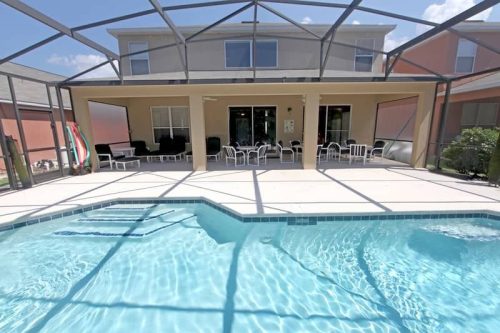
The biggest takeaway? A pool cage in Florida is a structural addition, not a decorative upgrade. Local building codes and Florida law are designed to keep your outdoor living space attached to your house. Using quality materials and a licensed team ensures compliance and protects your home’s resale value. Cutting corners with an unlicensed contractor rarely saves money. It just buys you a future headache with the local building department.
If you want guidance through the maze of engineering, permitting, and installation, Creative Pool Cages handles the entire process from start to finish. Fewer surprises. Cleaner approvals. A structure built to last in the Florida heat and wind.
Frequently Asked Questions
In most Florida jurisdictions, replacing screen mesh alone does not require a structural permit because the aluminum frame isn’t being altered. However, if framing members, fasteners, or anchors are replaced during the project, the scope may shift into structural repair and require review. Always confirm with your local building department.
It depends on the type of repair. Minor maintenance, like replacing individual screen panels, usually does not require approval. Structural repairs involving beams, columns, anchors, or footprint changes typically require a permit under Florida Building Code standards. The determining factor is whether the frame’s structural integrity is being modified.
Yes, most patio enclosures require their own permit because they are considered structural additions to the home. Even if attached to an existing slab, the enclosure must meet local wind-load and engineering requirements. Some cities also require zoning or setback verification before approval.
Yes, but the slab must meet thickness and anchoring requirements. If the concrete footer isn’t engineered to handle wind uplift forces, additional reinforcement or new footings may be required. An engineer typically verifies whether the existing slab can support the enclosure safely.